Summary by Andrew Marvin *
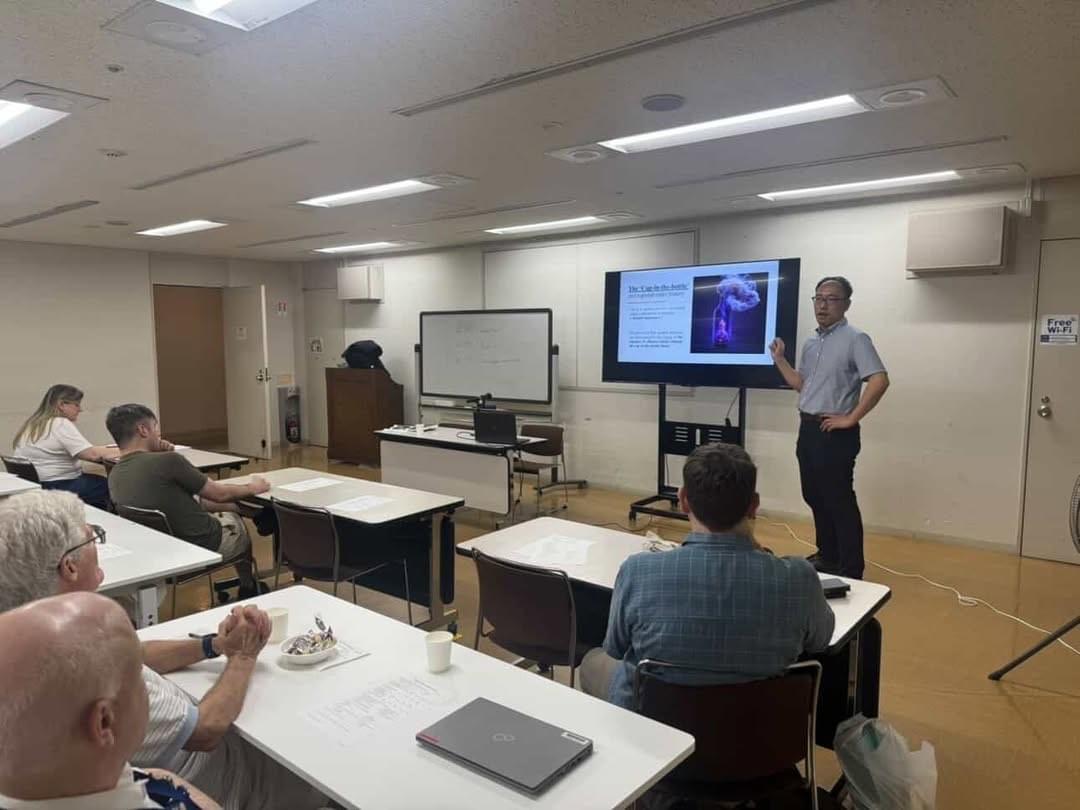
As part of the YCAPS Community Conversations Series, an in-person event was held in Yokosuka with a seminar on “How Nixon’s Deal with China Triggered Japan–US Alliance Transformation,” featuring guest speaker Dr. Yusuke Ishihara, Senior Fellow in the Policy Studies Department at the National Institute for Defense Studies (NIDS).
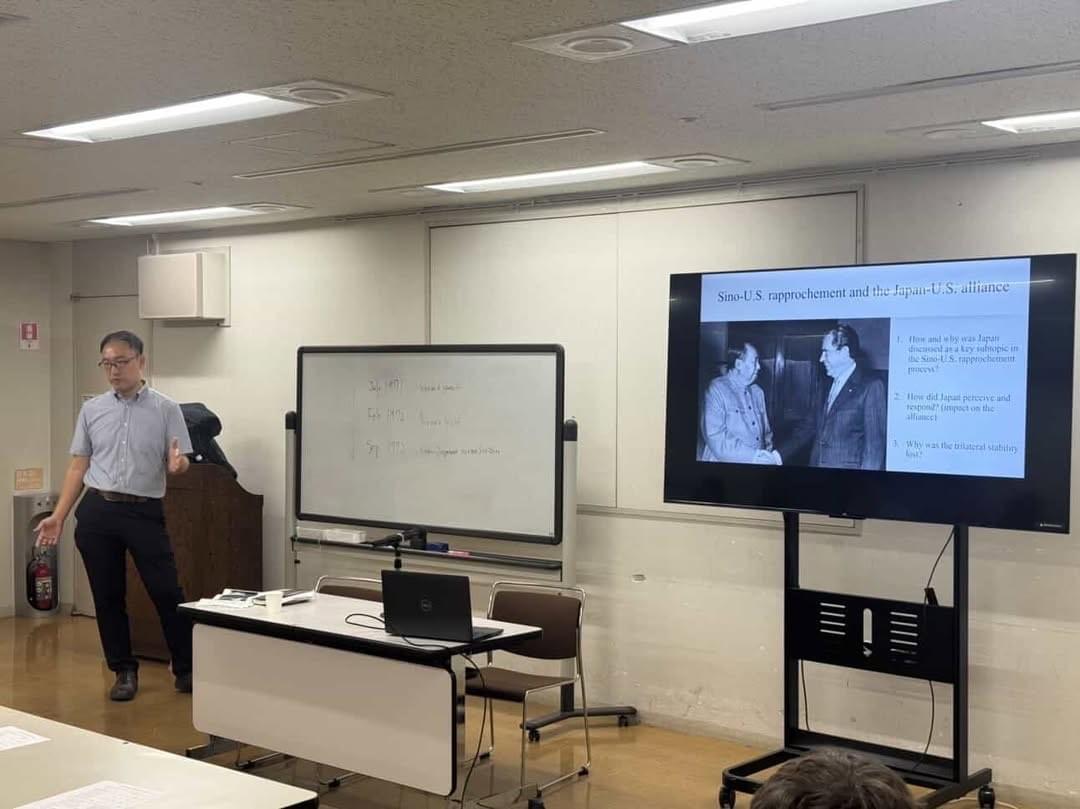
During his presentation, Dr. Ishihara examined how the Nixon administration’s opening to China in the early 1970s marked a major turning point in East Asian geopolitics and fundamentally transformed the Japan–U.S. alliance. Tracing the timeline from President Richard Nixon’s 1971 announcement of his planned visit to China through the 1972 Shanghai Communiqué and Japan’s subsequent normalization of diplomatic relations with China, he explained how the unexpected rapprochement produced the “Nixon Shocks” and forced Japan to reassess its diplomatic and security strategy.
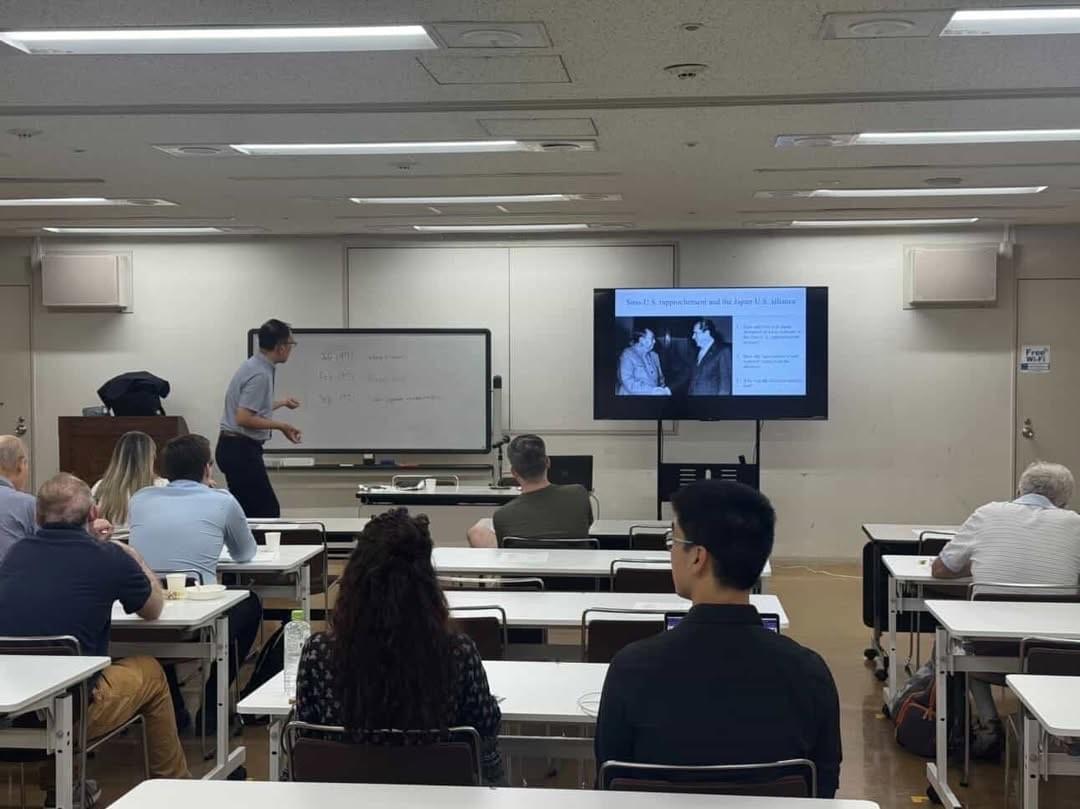
The discussion focused on why Japan became a central strategic issue throughout the Sino-U.S. rapprochement despite not being directly involved in the negotiations. Dr. Ishihara explored China’s concerns over Japanese militarism, the strategic importance of Taiwan, and the differing security perceptions held by China, the United States, and Japan. He also examined Nixon’s triangular strategy toward China and the Soviet Union, arguing that while it successfully exploited the Sino-Soviet split, it ultimately failed to preserve long-term trilateral stability.
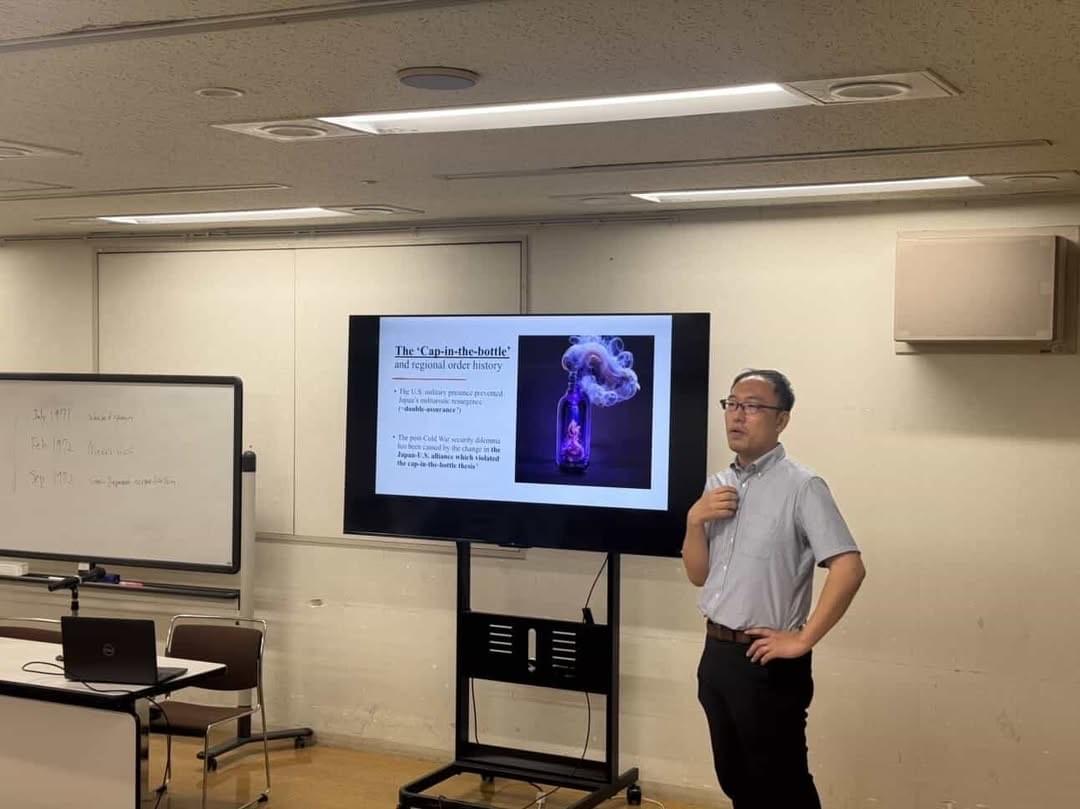
Dr. Ishihara also discussed how the Nixon Shocks accelerated Japan’s normalization of relations with China while prompting policymakers to redefine the purpose of the Japan–U.S. Security Treaty. He discussed the emergence of the “cap-in-the-bottle” thesis, which argued that the alliance not only provided for Japan’s defense but also reassured neighboring countries by constraining the resurgence of Japanese militarism. Concluding the seminar, Dr. Ishihara emphasized that many of the strategic decisions and debates that emerged during the early 1970s continue to shape Japan’s foreign and security policy and remain highly relevant to the evolving security environment of the Indo-Pacific today.