
On October 11, 2026, the Yokosuka Council on Asia-Pacific Studies (YCAPS) invited Mr. Douglas Montgomery, founder and CEO of Global Connects Media and producer of the Japanese/International Film Festival at the Chinese Theatre in Los Angeles, presented by Global Stage Hollywood, to speak at an event hosted by journalist Waka Ikeda. The event began with Ikeda briefly introducing the concept of Japan’s soft power and the disparity in box office performance of Japanese films between the domestic and international markets.
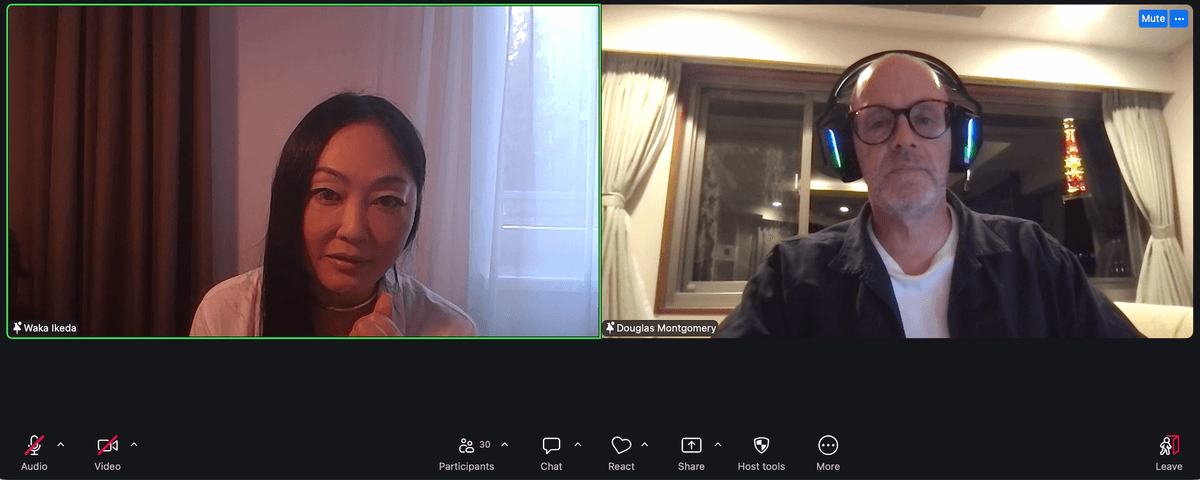
After Ikeda pointed out the different international market performance of Korea and Japan, with the former far surpassing the latter, Montgomery highlighted the different contexts of the two countries to show the complexity of the question. The Oscar-winning Korean film Parasite exemplified the Korean film industry successfully demonstrating its potential to take the throne in the international film community. Japan, nevertheless, was already a major player. Montgomery also noted the disconnect between prestige and profit at the Oscars, as awarded films are not necessarily the most popular ones with the highest box office.
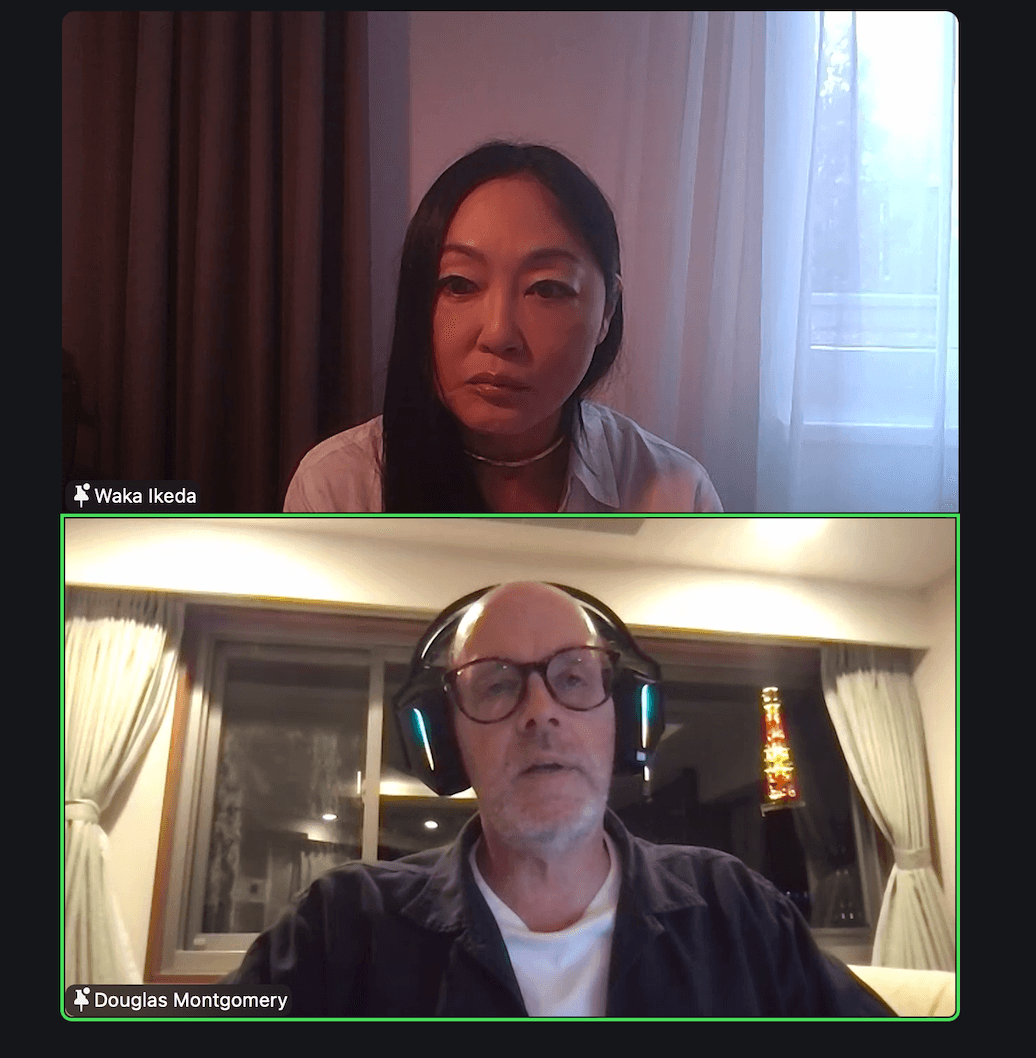
Regarding promotion strategy, Montgomery observed that Korea’s promotion and advertising of films are intentional, in stark contrast with Japan’s rather accidental soft power, which is nonchalant about international promotion. Japan is currently not actively examining its role in the international market and does not risk large-scale advertising as Korea does. However, Montgomery thought that Oscar advertising campaigns which cost millions of dollars are not a necessity for a successful film, especially when Japan is already a powerful player in the film industry. Winning an Oscar might not bring the Japanese film industry the enormous direct benefit that Parasite brought to Korea.
Entering the Q&A session, Montgomery said that globally targeted films might deviate from the art necessary for a successful film, suggesting that quality remains one of the most important elements in the film industry. Regarding the value Japan loses through its underperformance in the international market, he said all sectors of the industry have suffered losses. Japan lacks the skill to capture overseas value because of its extensive focus on the domestic market. However, Montgomery held a more positive view after witnessing the growing aggressiveness of Japanese filmmakers in the international market.

Finally, facing the proliferation of AI-produced works, Montgomery deemed them forgettable despite recognizing their production quality. The major battleground in the film industry is discovery. Being known, more than production quality alone, is becoming the point of competition. The platform that controls where eyeballs go could become the biggest influence on the development of soft power. Montgomery also noted that the “no photo” policies appearing at red carpet events underline the importance of creators actively engaging with their fan communities to increase influence (fandom community). For Japan, his suggestion was to invest in training young Japanese producers instead of just cherry-picking works that might sell overseas, since it is extremely difficult to predict a hit. He also mentioned that it is not a good idea for the content industry to rely on government subsidies, as budgets might be cut at any time.
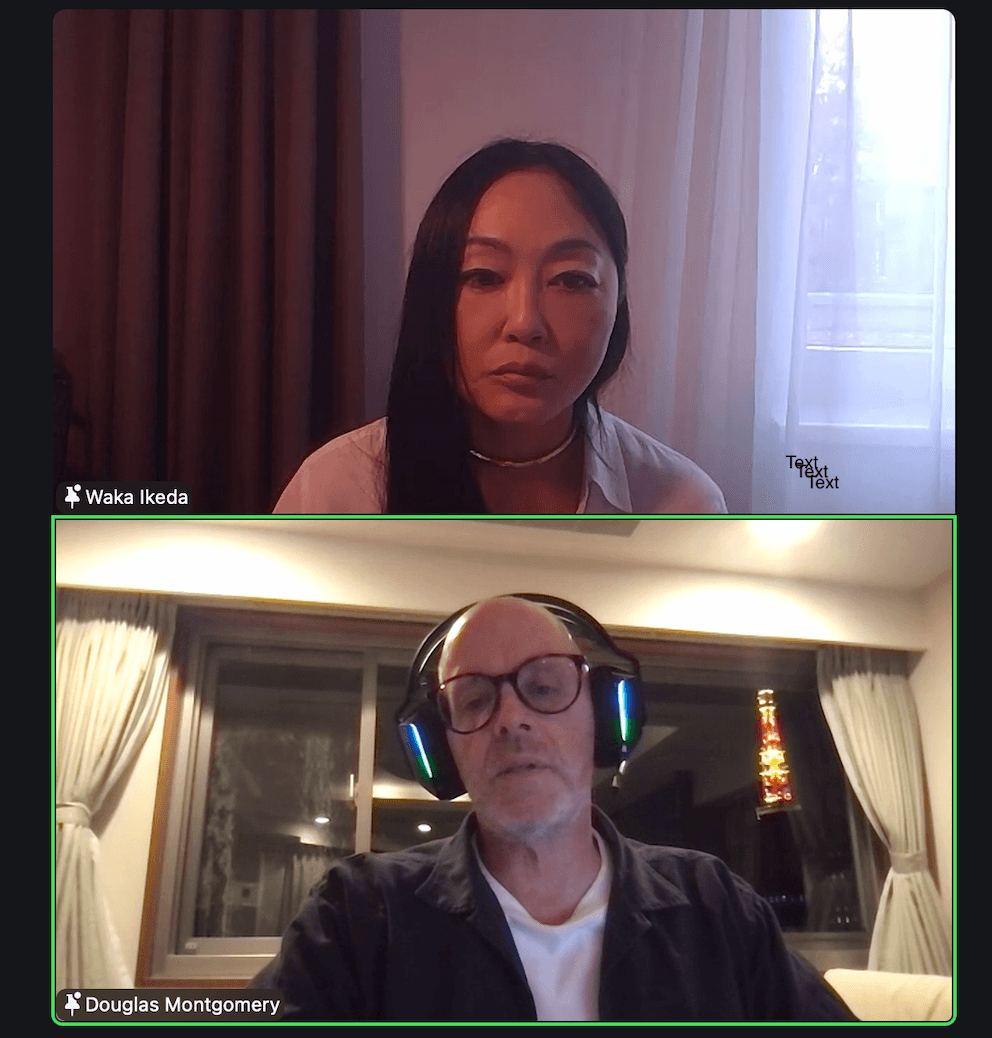
YCAPS sincerely thanks Mr. Douglas Montgomery for his valuable time and insights, and everyone who participated in Soft Power, Hard Questions. It is our greatest honour to have had your presence and contributions in the discussion.