
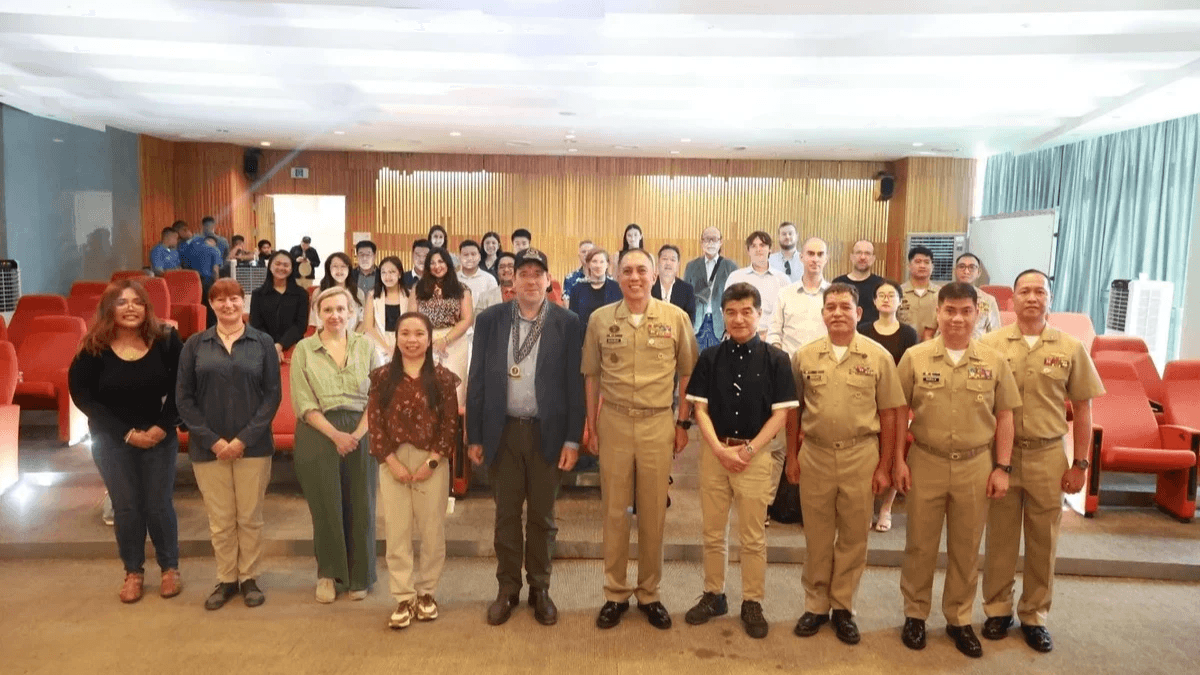
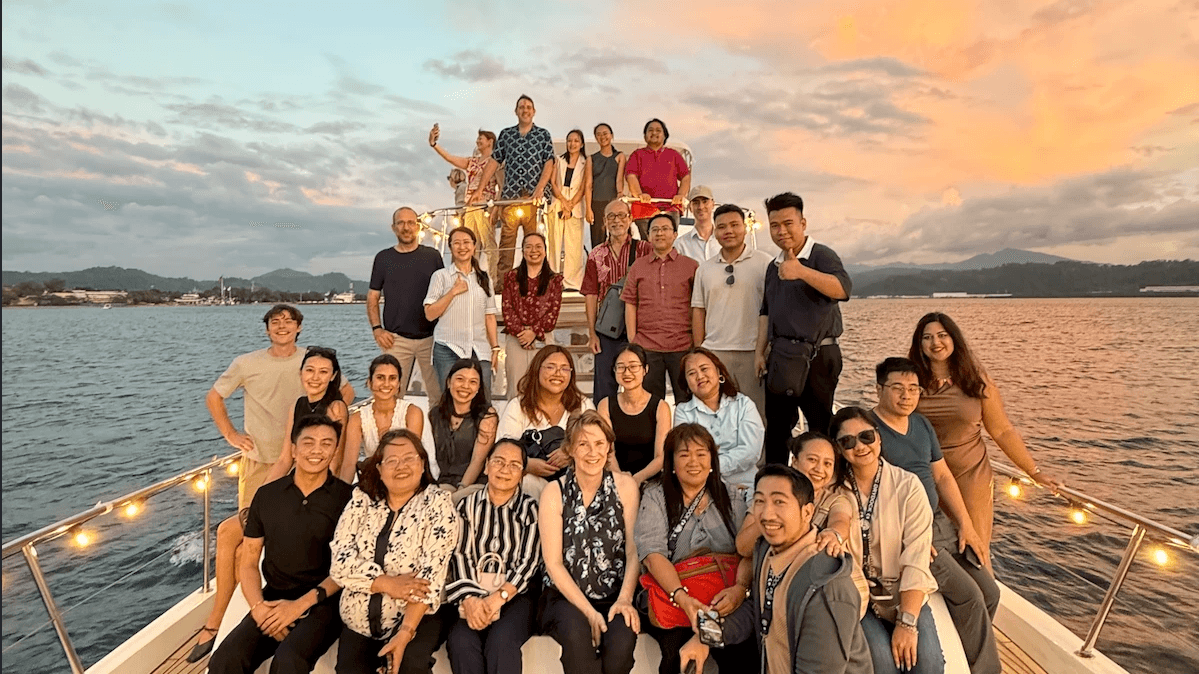
The Yokosuka Council on Asia-Pacific Studies (YCAPS), together with its program partners, convened emerging scholars and young professionals from Australia, Japan, the Philippines, and the United States for the in-person component of the 2026 Subic SQUAD Forum, held from November 9 to 12 in Subic Bay and Manila, Philippines.
Under the theme “Developing Emerging Voices on Regional Security: Positioning the Philippines as a Hub for Regional Security Cooperation,” the four-day program brought participants together for institutional engagements, strategic site visits, expert discussions, and policy proposal presentations. These activities provided firsthand perspectives on the Philippines' evolving role in regional security cooperation, spanning defense partnerships, maritime affairs, economic development, strategic infrastructure, and regional connectivity.
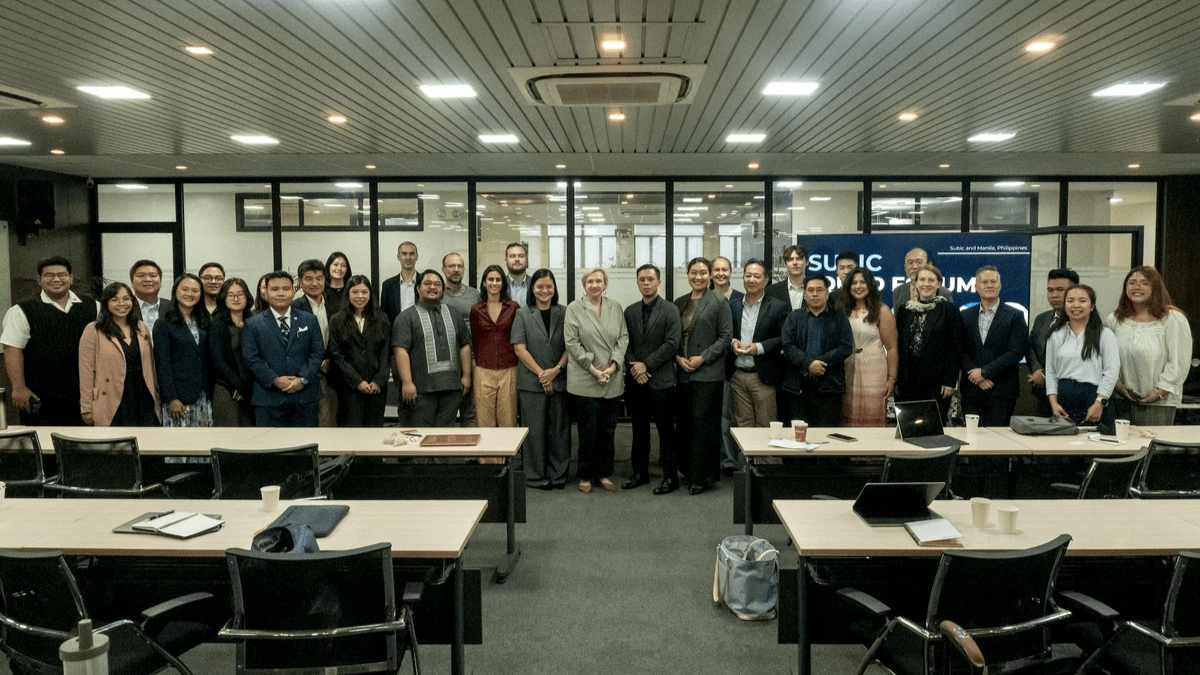
The program culminated in a policy workshop at the University of the Philippines Diliman Law Center, where participants engaged with Philippine government officials and regional experts before presenting their policy proposals for discussion and feedback.
Exploring Subic Bay's Maritime and Strategic Significance
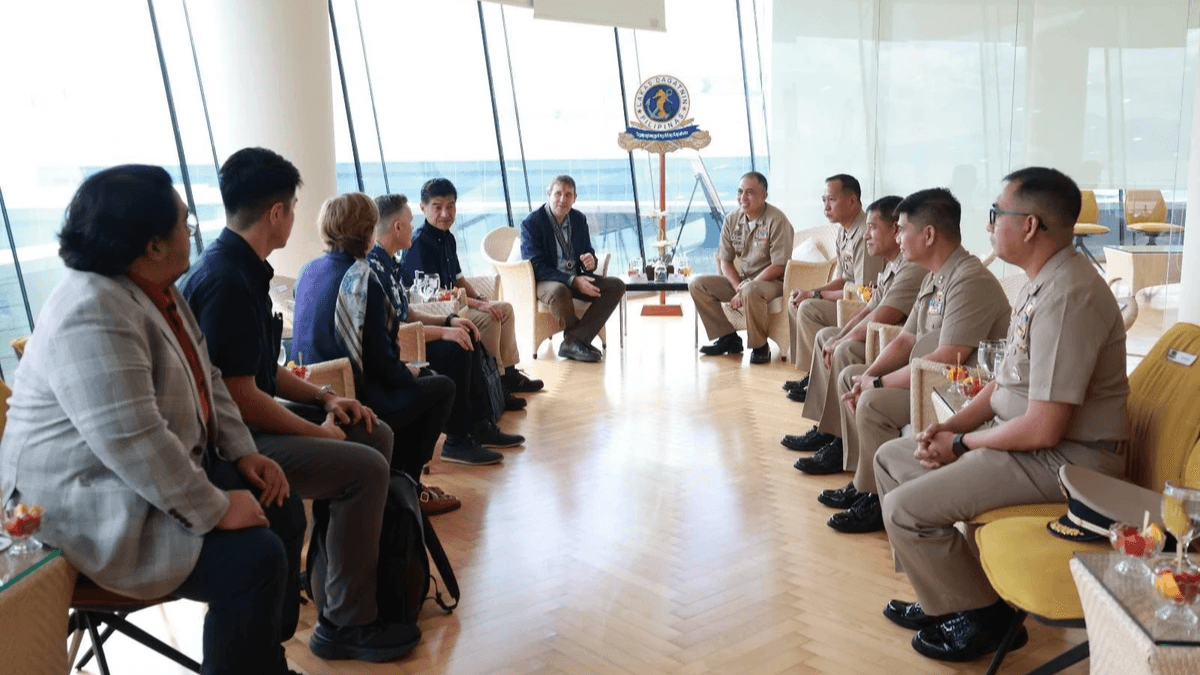
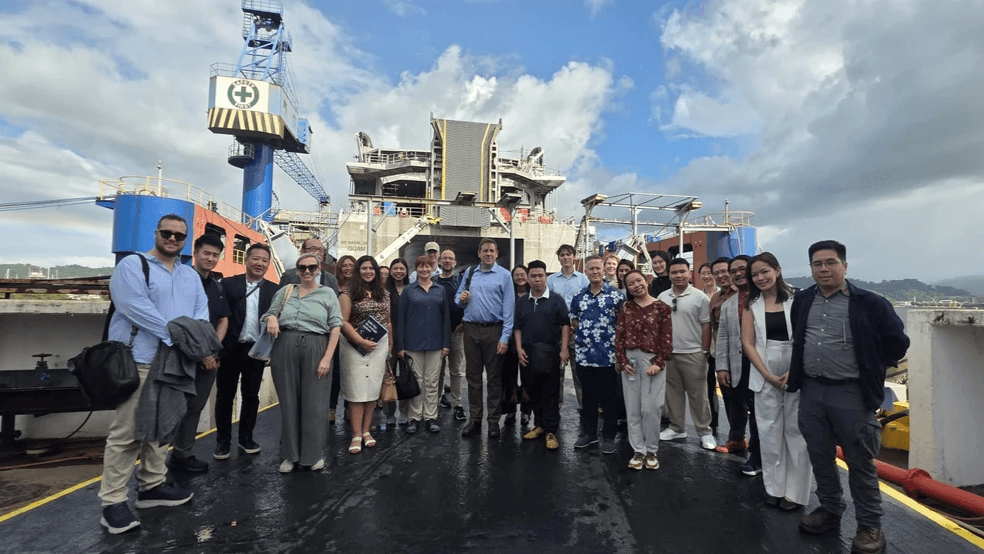
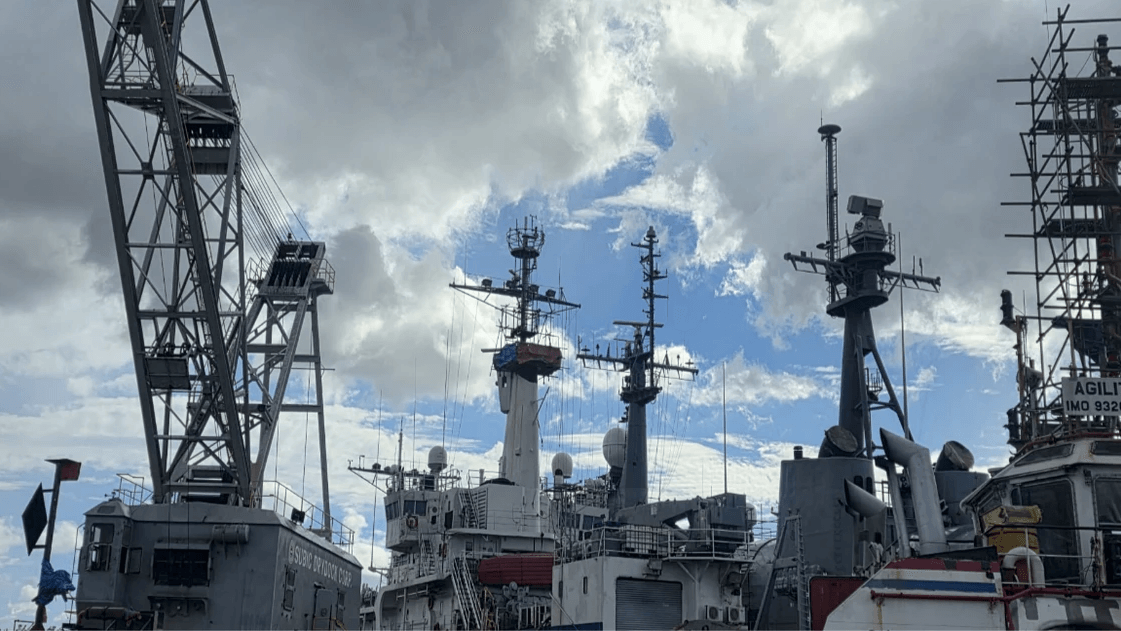
On November 9, the SQUAD fellows began their immersion with a visit to the Philippine Navy's Naval Operating Base Subic, where they received briefings on the Philippine Fleet, its naval capabilities, and developments in the South China Sea. The participants also took a brief drive-through tour of Agila Subic Shipyard, which showcased its facilities and role in Subic Bay's maritime industrial landscape. Located within the former Hanjin shipyard complex, the naval base underscores Subic Bay's continuing importance to Philippine maritime defense and operations in the West Philippine Sea.
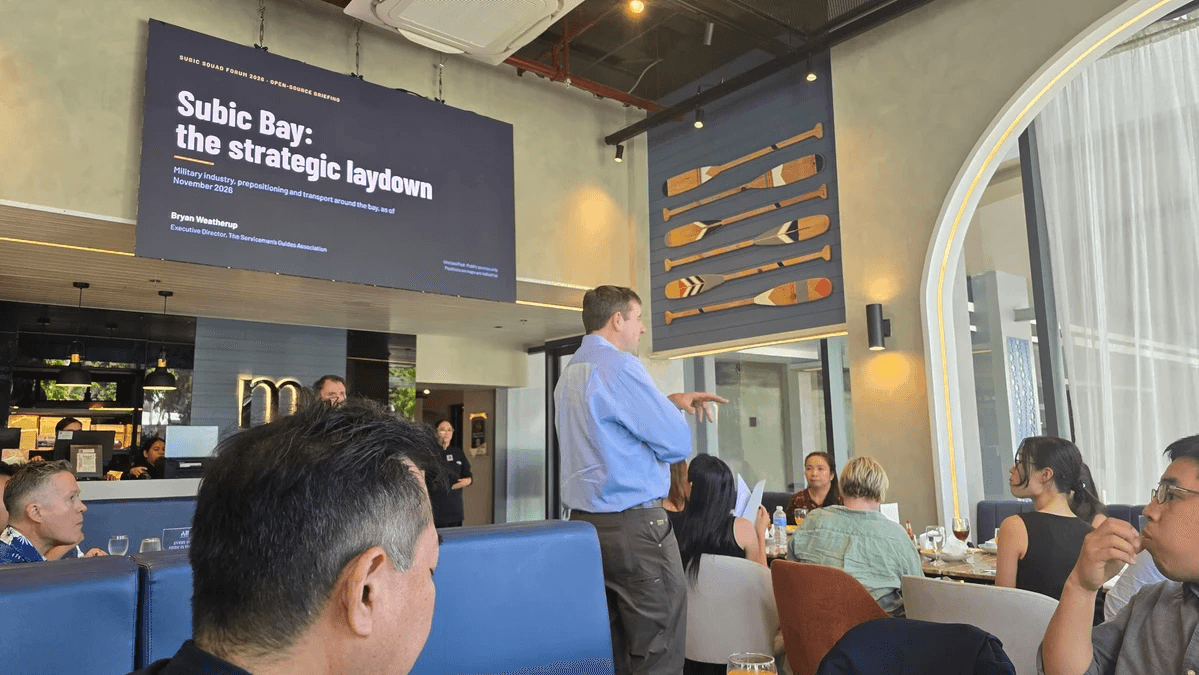
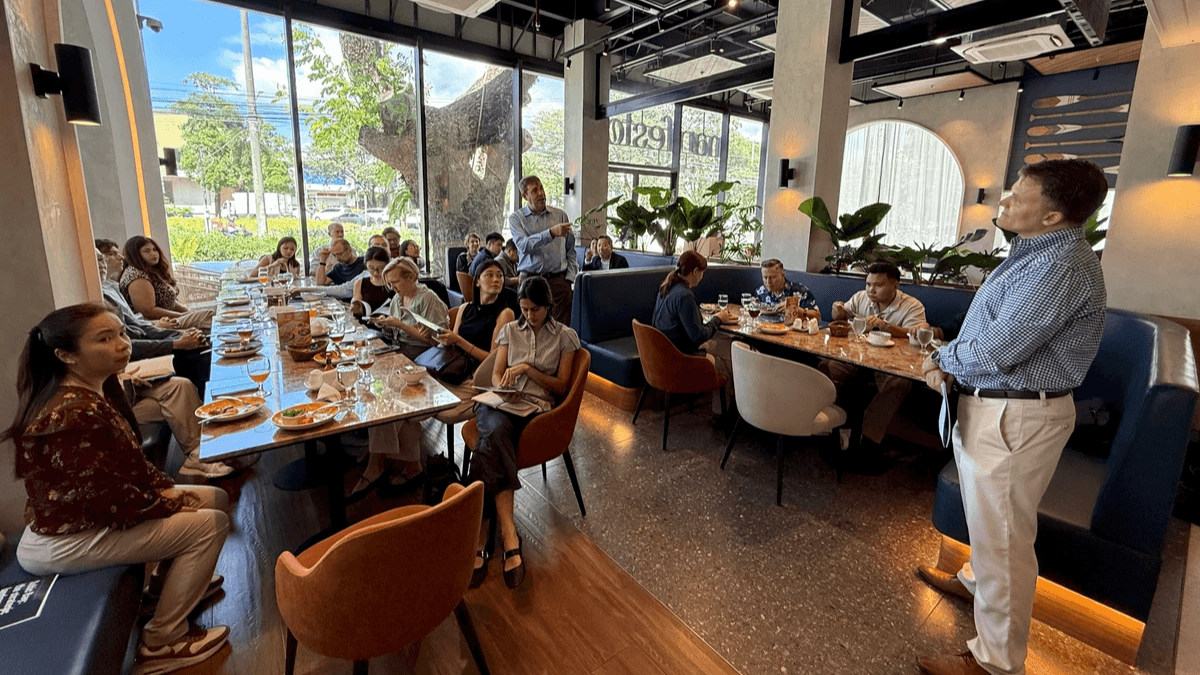
At the next meeting, the group met with US Ret. Lt. Cmdr. Bryan Weatherup, who shared insights into Subic Bay's history, its role in Philippine-U.S. defense relations, and existing bilateral and trilateral cooperation among the SQUAD countries. The discussion highlighted the area's continuing strategic importance in the regional security environment. He shared copies of the Subic Squad Laydown document
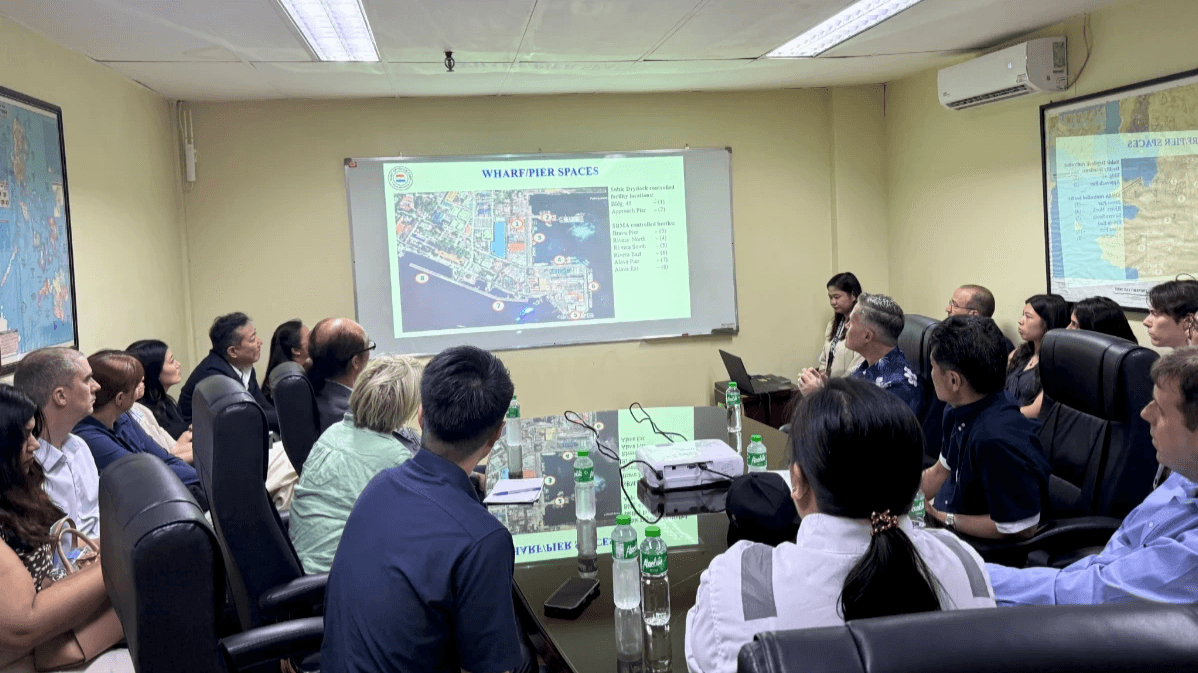
After lunch the group visited the Subic Drydock Corporation (SDC). Company representatives delivered a comprehensive presentation on the shipyard's operations, technical capabilities, and range of maritime services. As a full-service shipyard in the Subic Bay Freeport Zone, SDC provides ship repair, drydocking, maintenance, conversion, and engineering services for commercial and government vessels, including mechanical and electrical repairs, welding, machining, and specialized vessel maintenance.
After the presentation, participants toured SDC's facilities, taking a closer look at its drydocking infrastructure and repair operations. The engagement highlighted the important role of private-sector maritime industries in supporting commercial and government fleets and strengthening the Philippines' broader maritime support infrastructure.
Subic Bay: From Naval Base to Regional Economic and Logistics Hub
On November 10, the SQUAD fellows visited the Subic Bay Metropolitan Authority (SBMA) main office, where they were welcomed by SBMA management and received comprehensive briefings on the development and operations of the Subic Bay Freeport Zone. The presentations covered SBMA's institutional mandate and its work across investment promotion, business development, security and law enforcement, environmental management, and infrastructure development.
Established after the former U.S. naval facility was turned over to the Philippine government in 1992, SBMA oversees the transformation of Subic into a major industrial, commercial, logistics, and investment hub. The delegation also learned about SBMA's long-term vision to transform the Freeport into a smart, sustainable, and globally competitive economic center. This development agenda encompasses infrastructure modernization, improved connectivity, digital transformation, sustainable urban development, and an investment environment that can attract new industries and businesses. Discussions also explored Subic Bay's evolving strategic importance for regional connectivity and supply chain resilience, as well as emerging economic initiatives such as the Luzon Economic Corridor and Pax Silica.
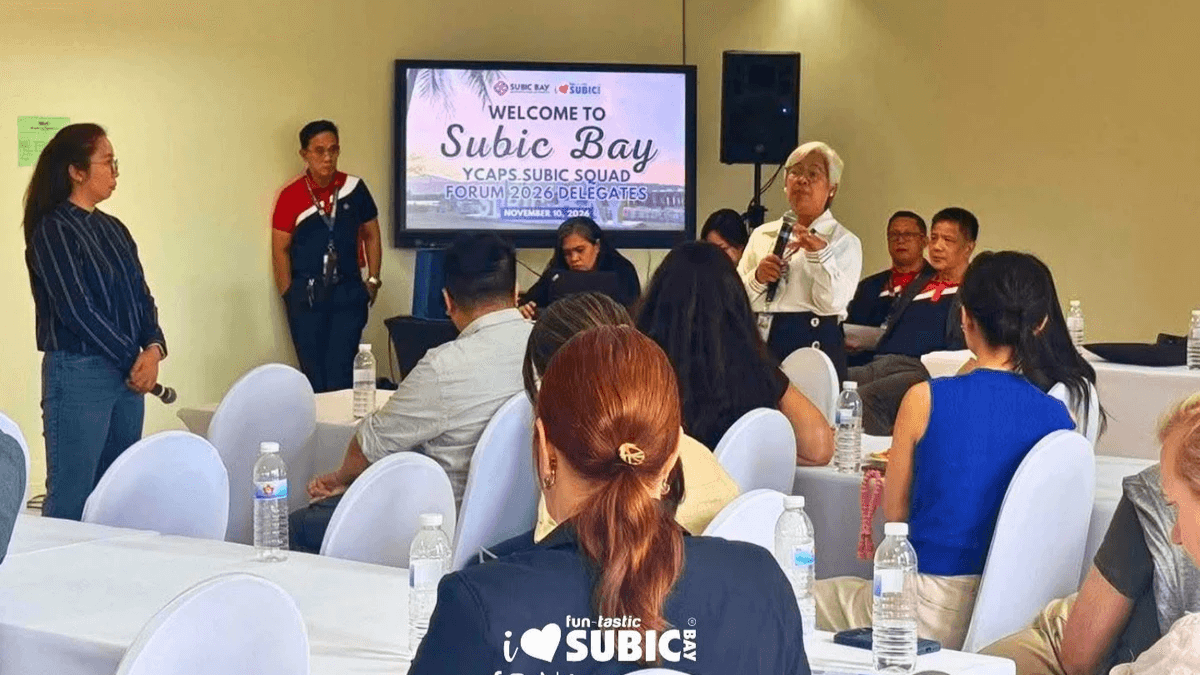
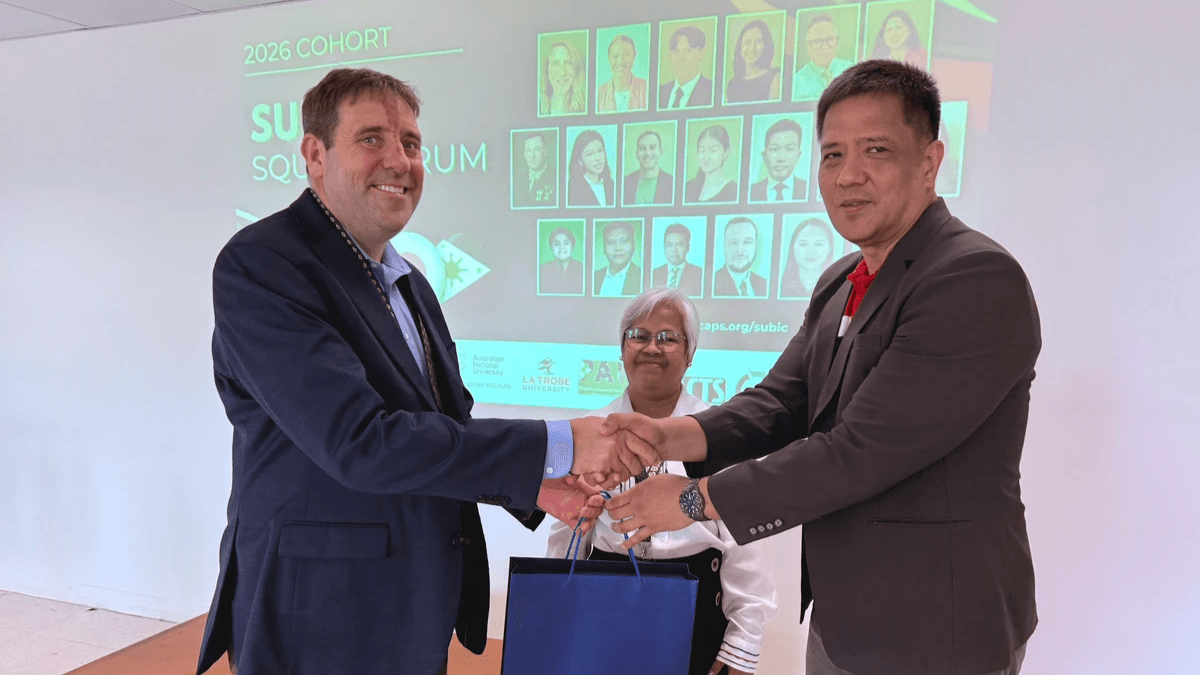
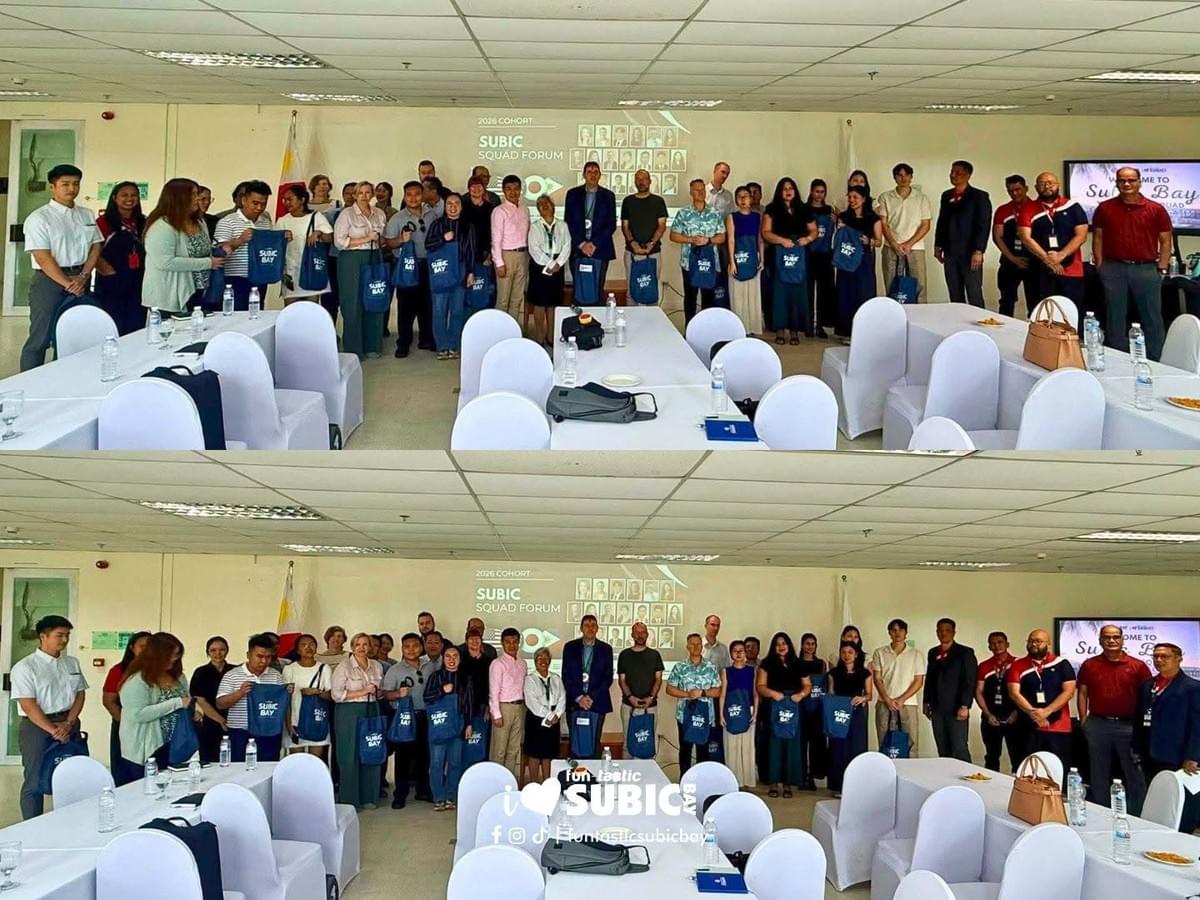
The afternoon program included a visit to Subic International Terminals, where participants received briefings on the operations and capabilities of the New Container Terminal (NCT-1). Operated by Subic Bay International Terminal Corporation (SBITC), the facility serves businesses within the Freeport Zone and industries across Northern and Central Luzon, while providing an alternative international gateway to the Port of Manila. With an annual handling capacity of approximately 600,000 twenty-foot equivalent units (TEUs), the terminal illustrates Subic's importance as a maritime trade and logistics hub.
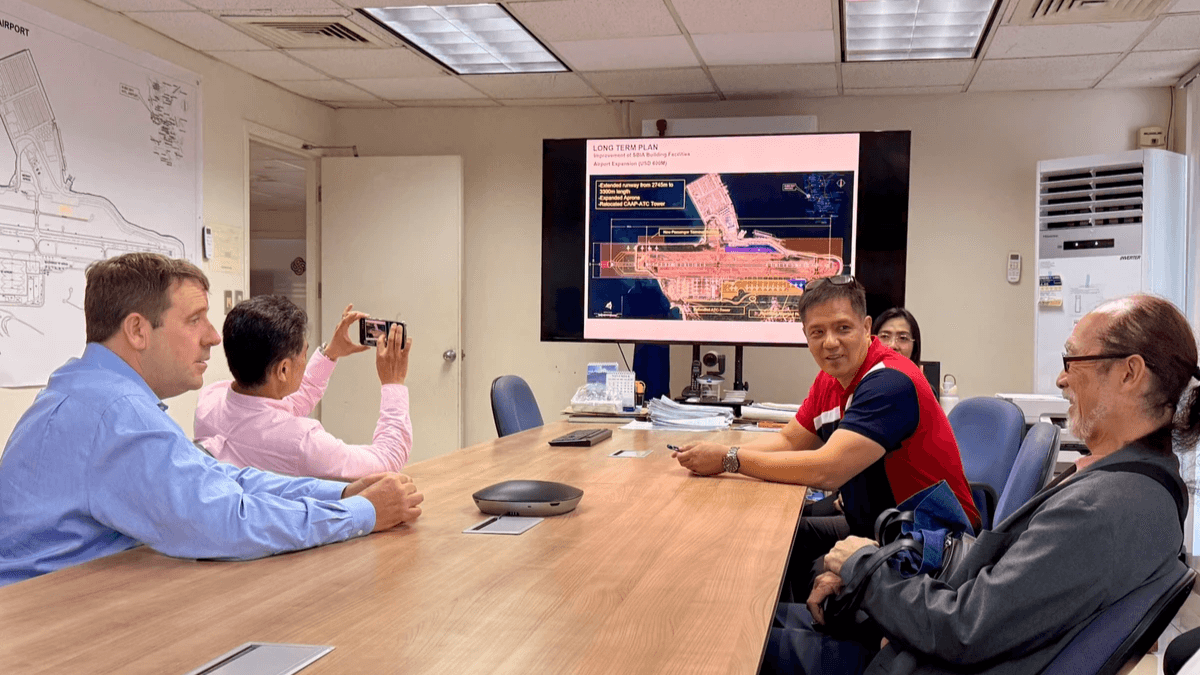
The delegation also visited Subic Bay International Airport, where airport management provided an overview of its operations, facilities, and development prospects. Formerly the U.S. Naval Air Station Cubi Point, the airport was later converted into a civilian international facility and served as FedEx's Asian regional distribution hub until 2009. Its location and existing aviation infrastructure remain part of Subic's broader multimodal connectivity network. It is now a dual-use civil-military facility that sees heavy aircraft traffic during major exercises such as Balikatan.
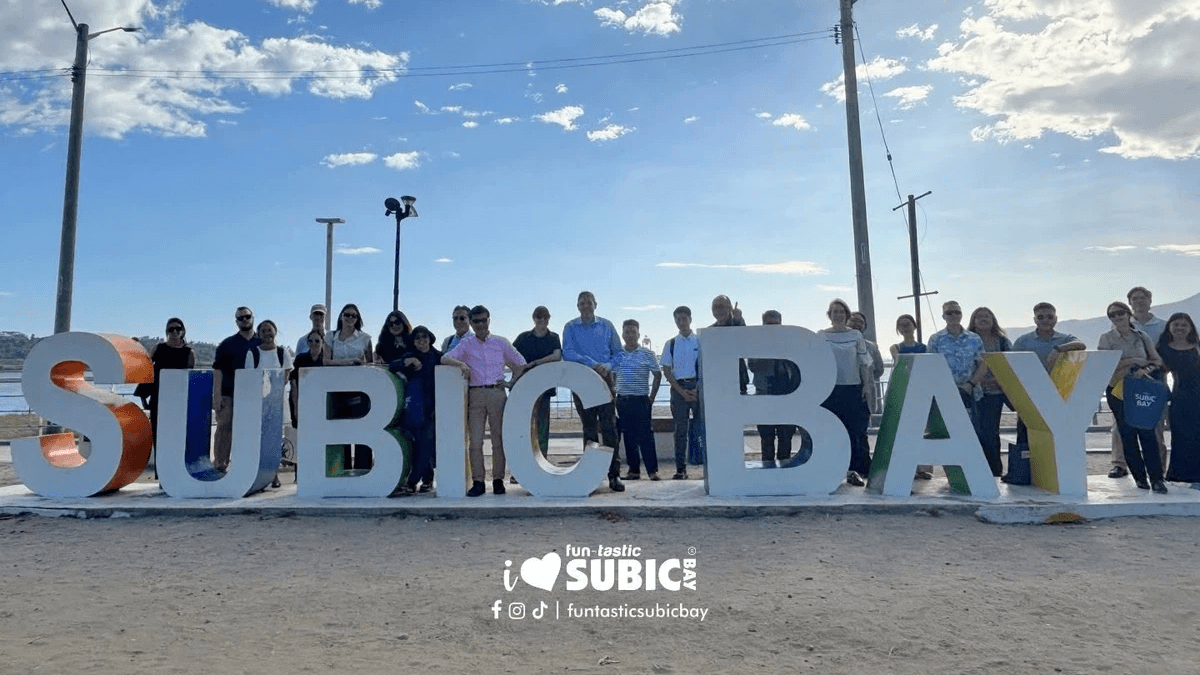
The day's activities concluded with a rolling bus tour through Subic Bay's central business district and historical landmarks, giving participants a broader perspective on the area's transformation from a major U.S. naval installation into a multi-sector economic and logistics center.
From Subic Bay to Manila: History and Maritime Heritage
On November 11, the participants traveled from Subic Bay to Manila, continuing their immersion with visits that highlighted the Philippines' maritime heritage and history.
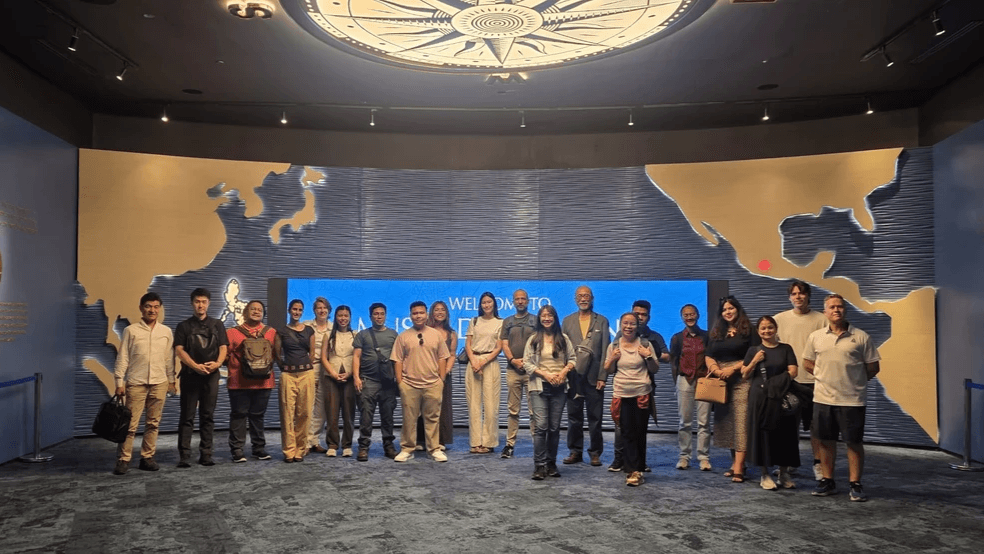
The group visited the Museo del Galeón, a maritime museum dedicated to the Manila-Acapulco Galleon Trade, which connected the Philippines and Mexico for more than two centuries and played a significant role in the historical exchange of goods, people, and cultures between Asia and the Americas.
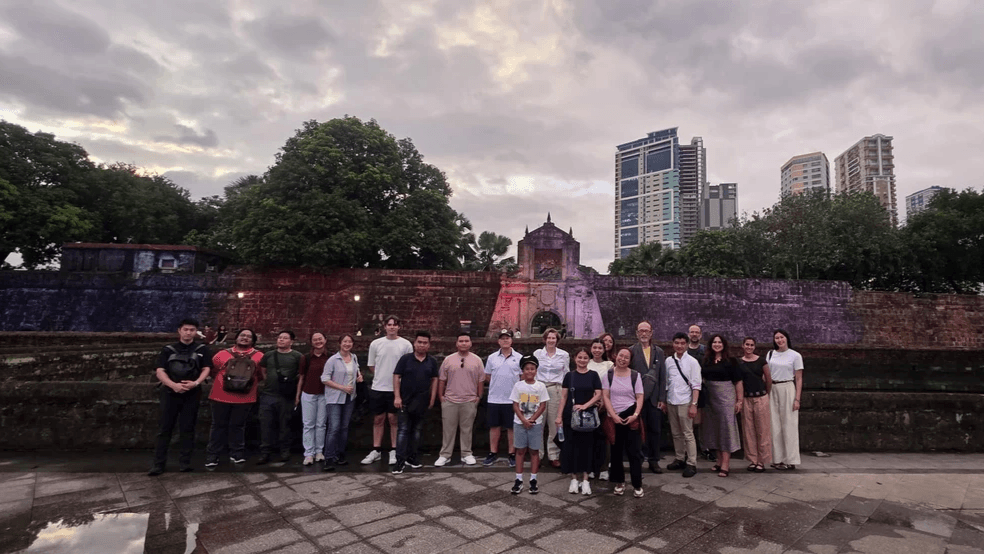
The fellows also explored Intramuros, Manila's historic walled city and the former center of Spanish colonial administration in the Philippines. The visit included Fort Santiago, one of the country's most significant historical fortifications, where participants explored its historic grounds and dungeons.
The day concluded with a traditional Filipino dining experience, accompanied by cultural performances showcasing the country's music and dances.


Culminating Workshop: Philippine Security Perspectives and Policy Proposals
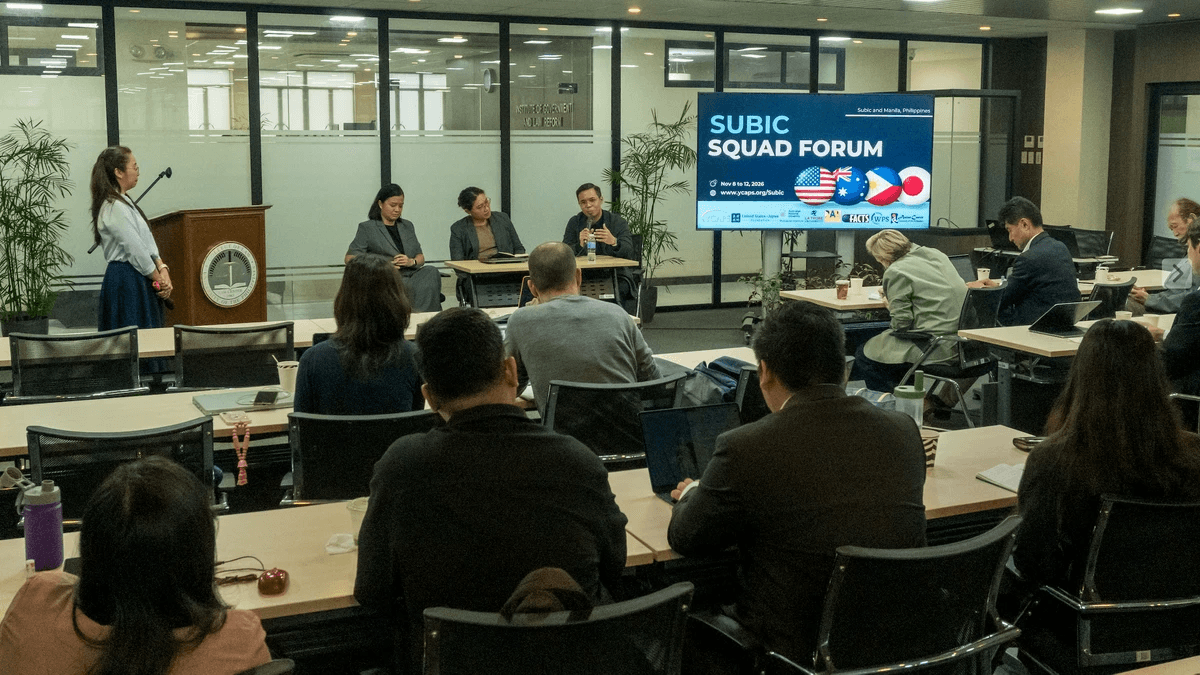
On November 12, the Subic SQUAD Forum culminated in a full-day workshop at the University of the Philippines Diliman Law Center, bringing together SQUAD fellows, program mentors, and Philippine government officials for expert briefings and policy discussions on national security, maritime governance, and the South China Sea.
The morning session comprised briefings by representatives from the National Security Council (NSC), the Department of National Defense (DND), and the National Maritime Council (NMC). Discussions covered the Philippines' National Security Policy and National Security Strategy; the National Defense Strategy and the Comprehensive Archipelagic Defense Concept (CADC); and the Philippine information space in the West Philippine Sea. The briefings offered participants perspectives on the country's evolving national security priorities, defense posture, and approaches to maritime and information-related challenges. An open question-and-answer session enabled participants to engage directly with the speakers and explore these policy issues further.
In the afternoon, the fellows presented their respective policy proposals to a panel of invited experts and practitioners. The presentations addressed a range of issues spanning maritime security, defense cooperation, Indo-Pacific strategy, and regional challenges. Participants received feedback and discussed the policy relevance, practical implications, and potential applications of their recommendations.
The policy presentations gave SQUAD fellows an opportunity to translate their research and insights into policy-oriented recommendations while receiving feedback from experienced scholars and practitioners. The exchange also underscored the importance of connecting emerging expertise with practical policy discussions on shared regional security challenges
Strengthening Regional Partnerships Through Track 2 Engagement
The SQUAD Forum is a unique Track 2 initiative that provides intellectual support to security partnerships among the Philippines, the United States, Japan, and Australia. Through its 2026 program, YCAPS brought together emerging scholars alongside experienced experts and practitioners to encourage fresh perspectives, deepen regional understanding, and cultivate the next generation of regional security thinkers.
The 2026 Subic SQUAD Forum was organized by YCAPS in collaboration with La Trobe Asia, the Philippines–Australia Forum, FACTS Asia, We Protect Our Seas (WPS), and the University of the Philippines–Diliman Asian Center. The program was made possible through funding support from the United States-Japan Foundation and the Australian National University–Philippines Institute.