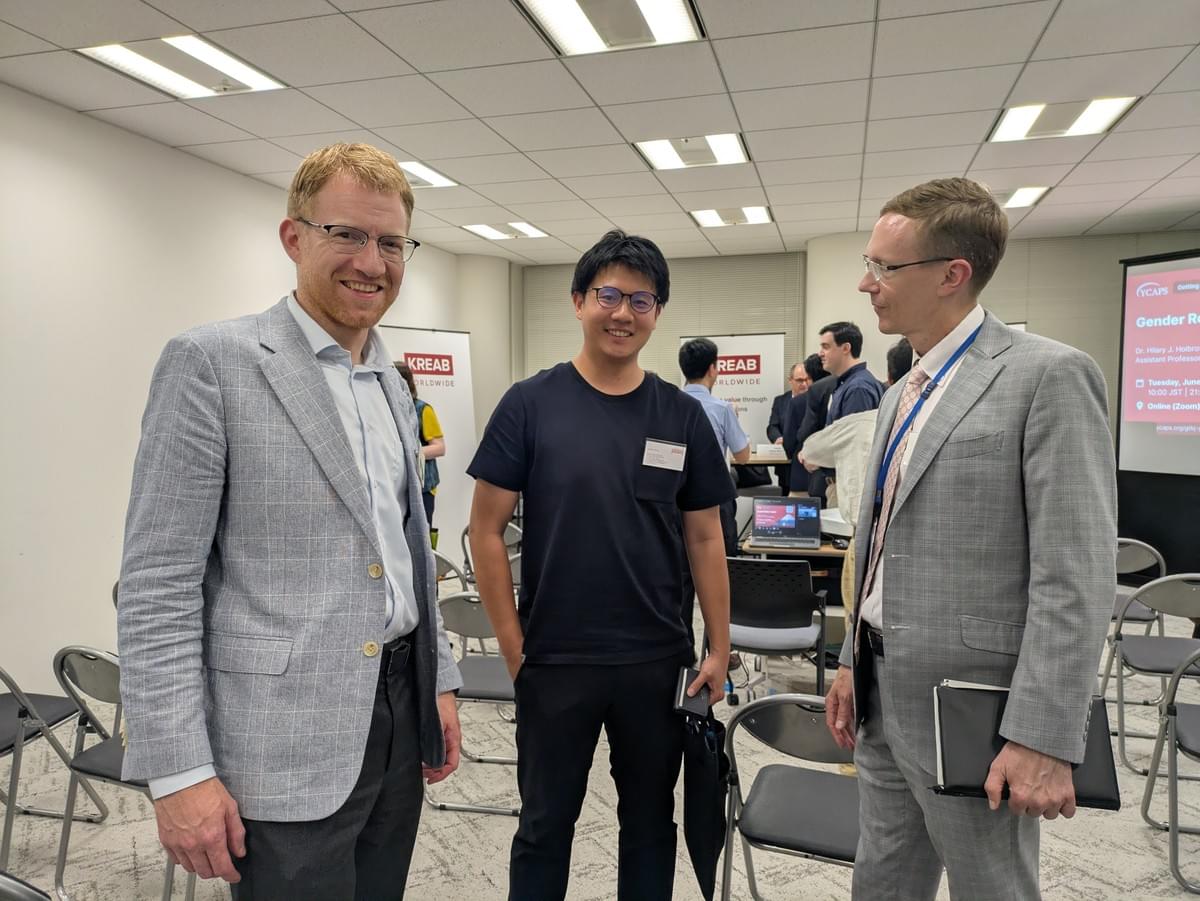
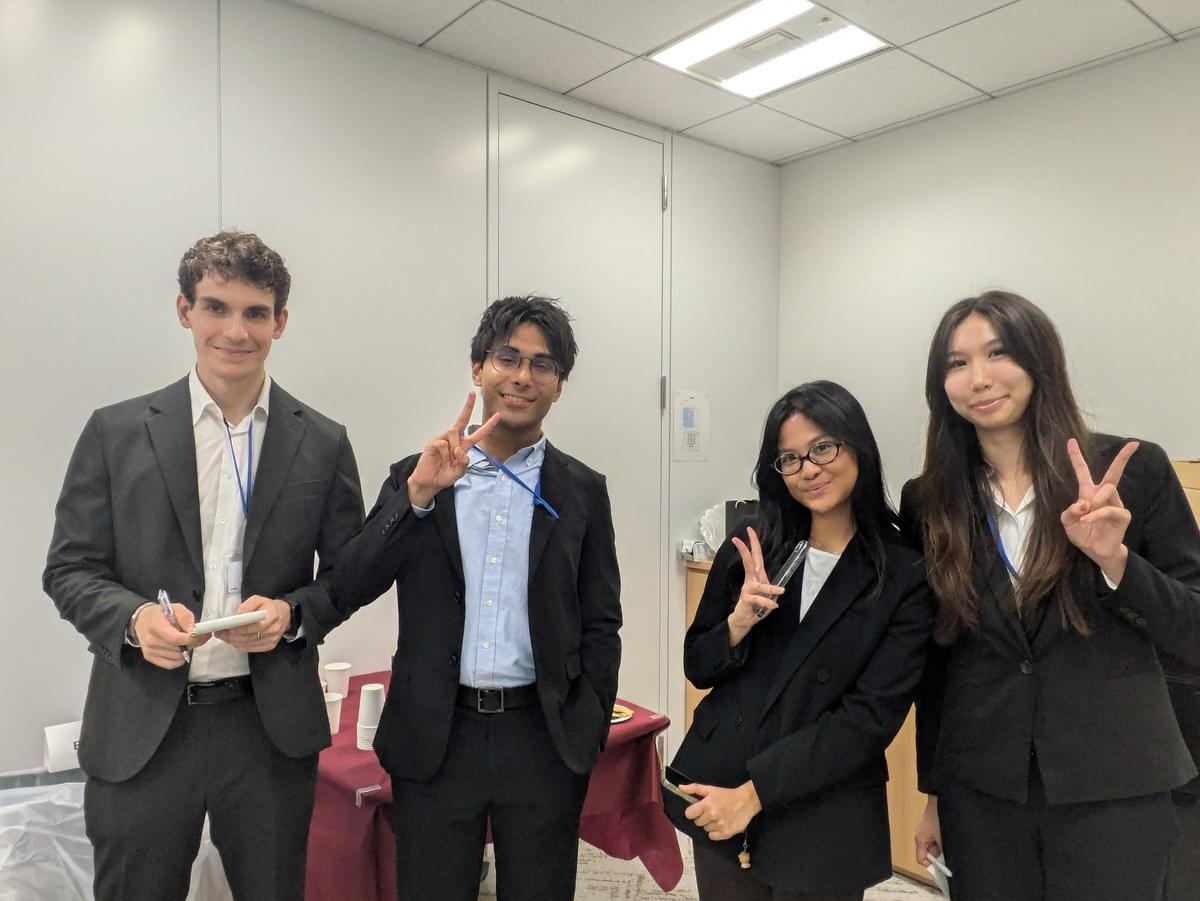
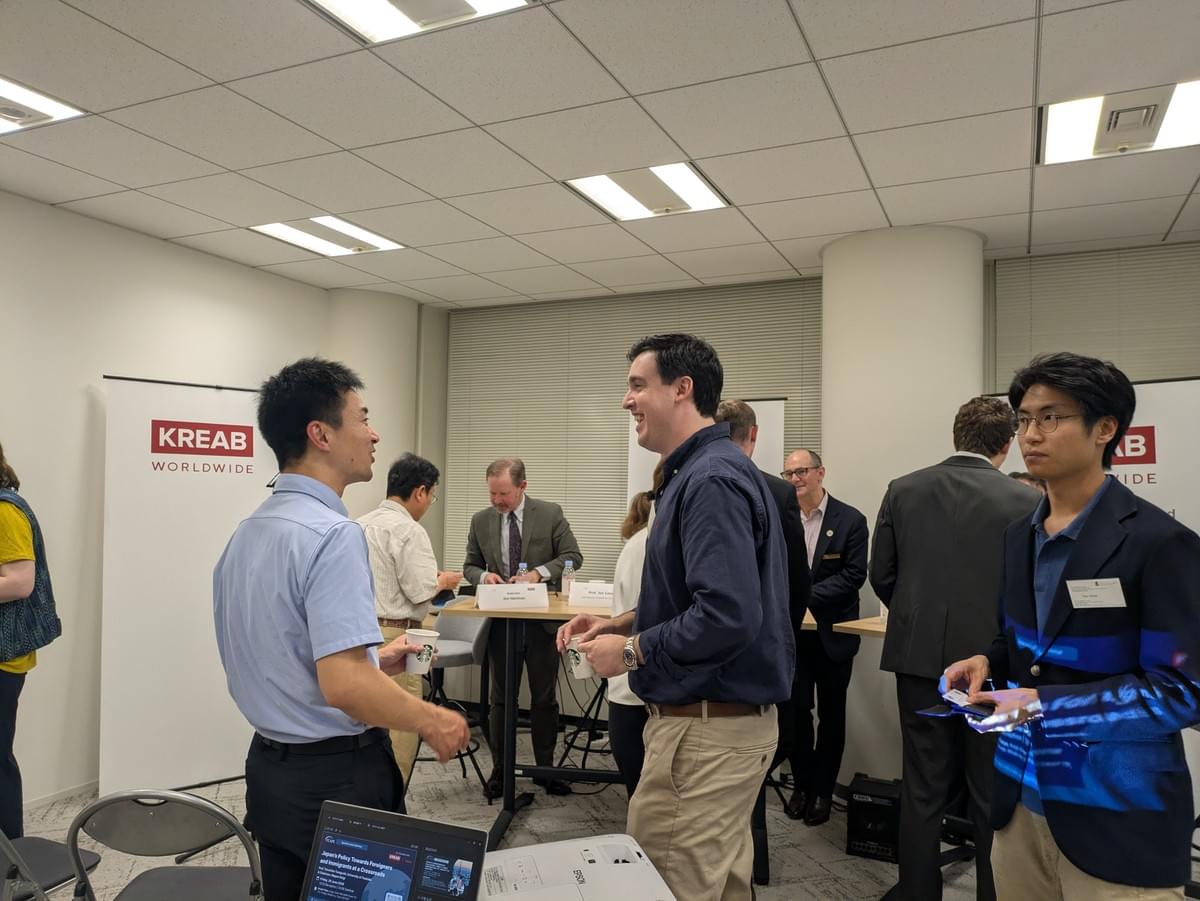
YCAPS and KREAB Japan co-hosted an Indo-Pacific Policy Dialogue June 9, 2026, at the KREAB offices in Tokyo. "Next-Generation Power for Japanese Submarines" considered strategic and practical aspects of submarines propelled by nuclear power, were Japan to decide to acquire them.
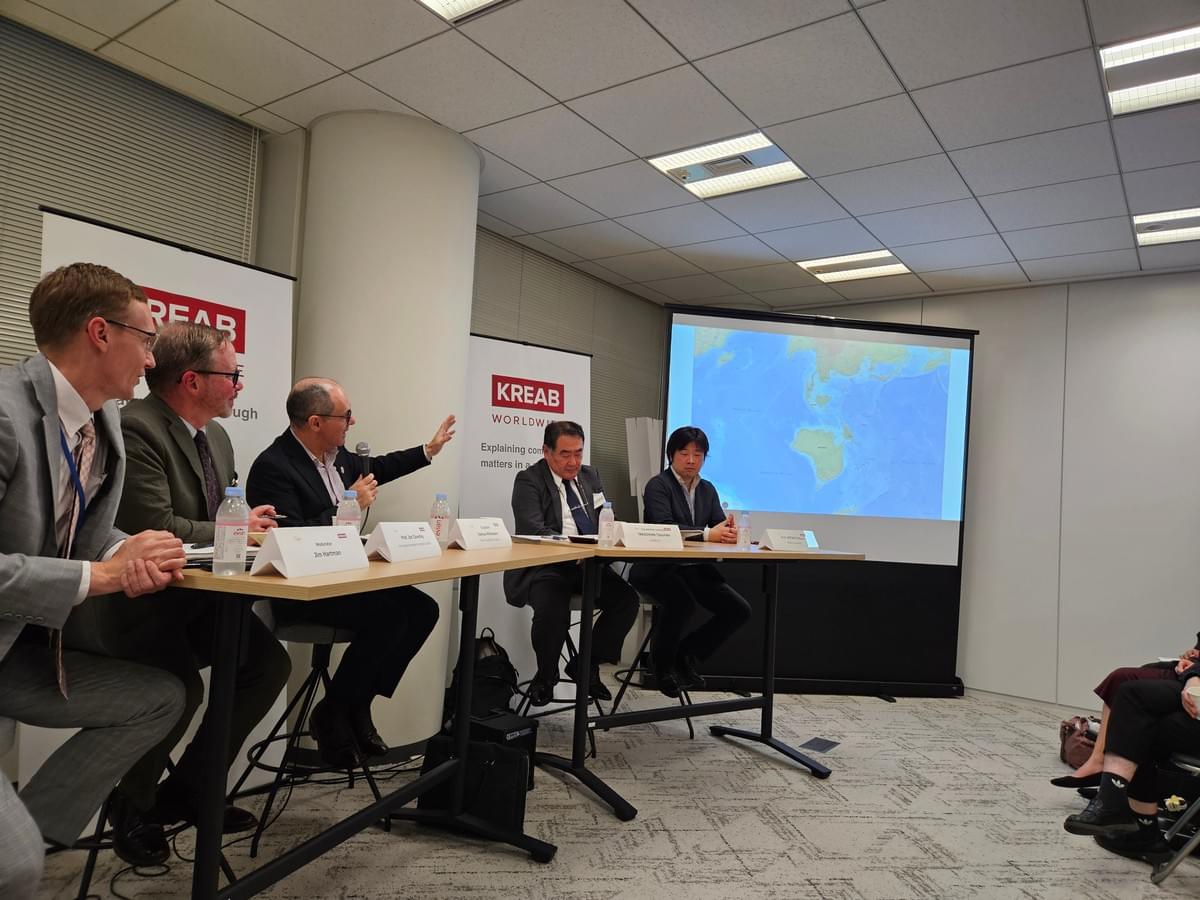
KREAB Managing Partner Doi opened the evening by noting the key role submarines play in deterrence, or "enhancing stabilizing power" in Japanese government parlance.
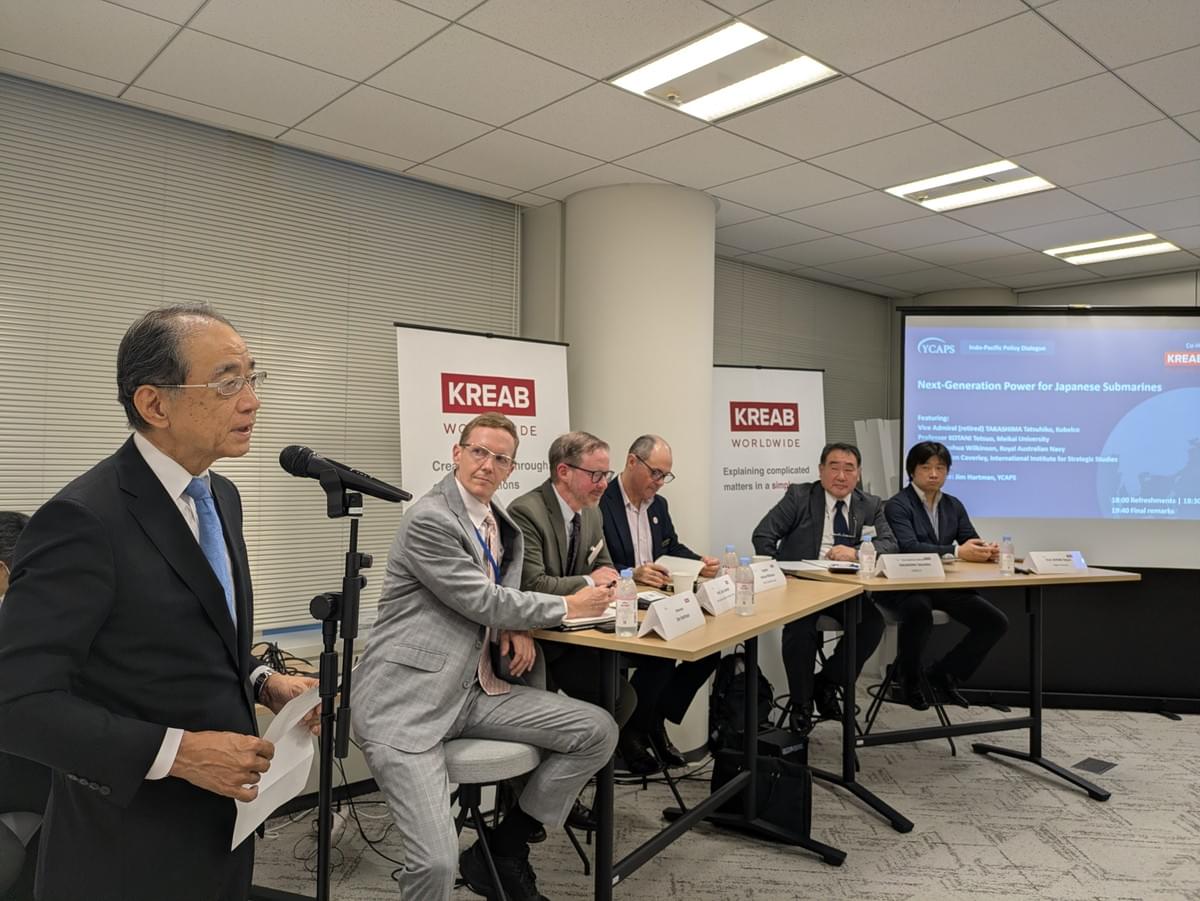
YCAPS Senior Research Fellow Jim Hartman then framed the dialogue in developments over the past five years. In September 2021, the United States, United Kingdom, and Australia surprised even the community of naval professionals with their announcement of AUKUS, a treaty centered on the development of Australian nuclear-powered submarines (SSN). Since then, the Republic of Korea has taken public steps toward its own program for nuclear-powered submarines, and the ruling coalition in Japan announced the intent to consider "next-generation" powered submarines.
Professor Jon Caverley, of the International Institute of Strategic Studies and on leave from the U.S. Naval War College, traveled from Cambridge, Massachusetts for the dialogue. Caverley brought up both strategic and practical points that have not received public attention. For example, if a nuclear-powered submarine is used to hunt adversary submarines that are themselves armed with nuclear weapons, the friendly submarine becomes a nuclear counter-force weapon, even though it itself is not armed with nuclear weapons. He also spoke to the opportunity cost of nuclear-powered submarines, as the financial and human resources invested cannot be used for other programs.
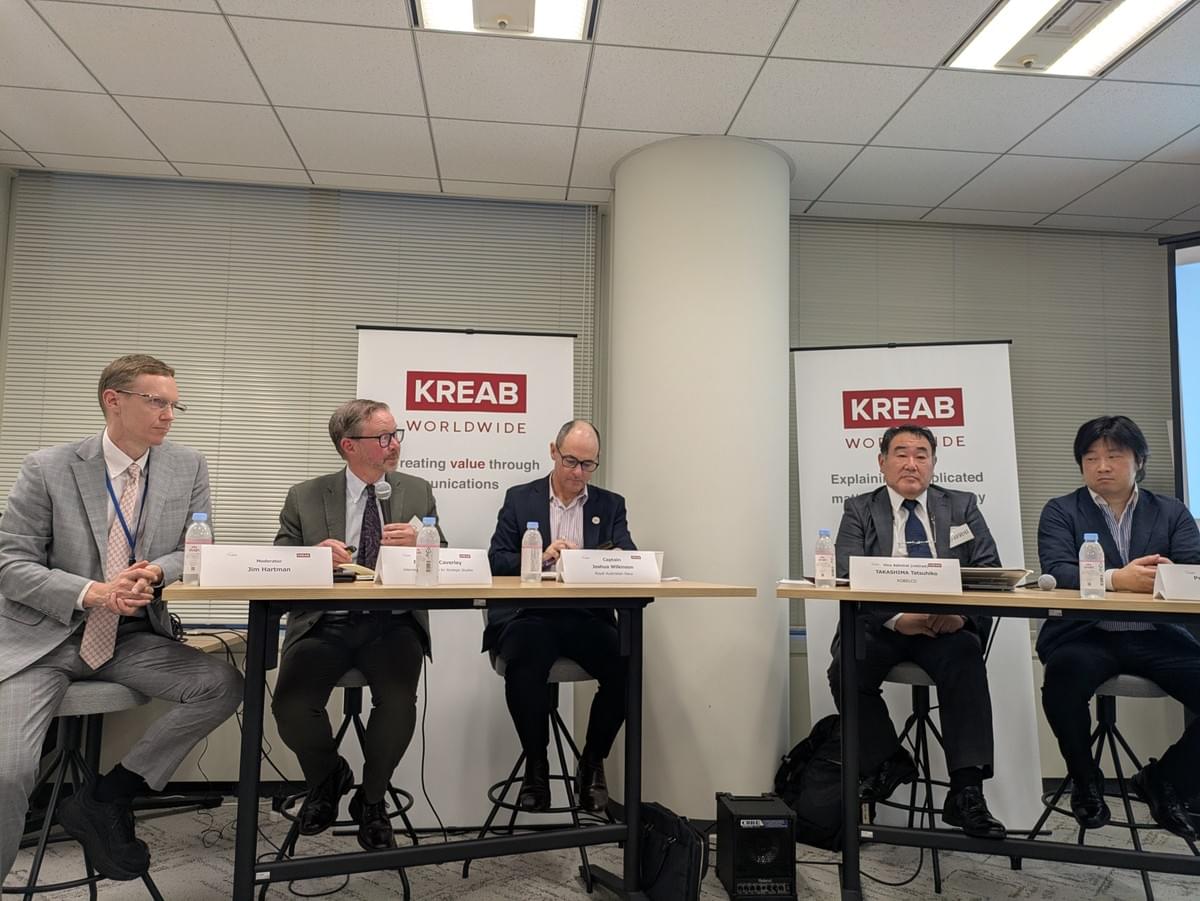
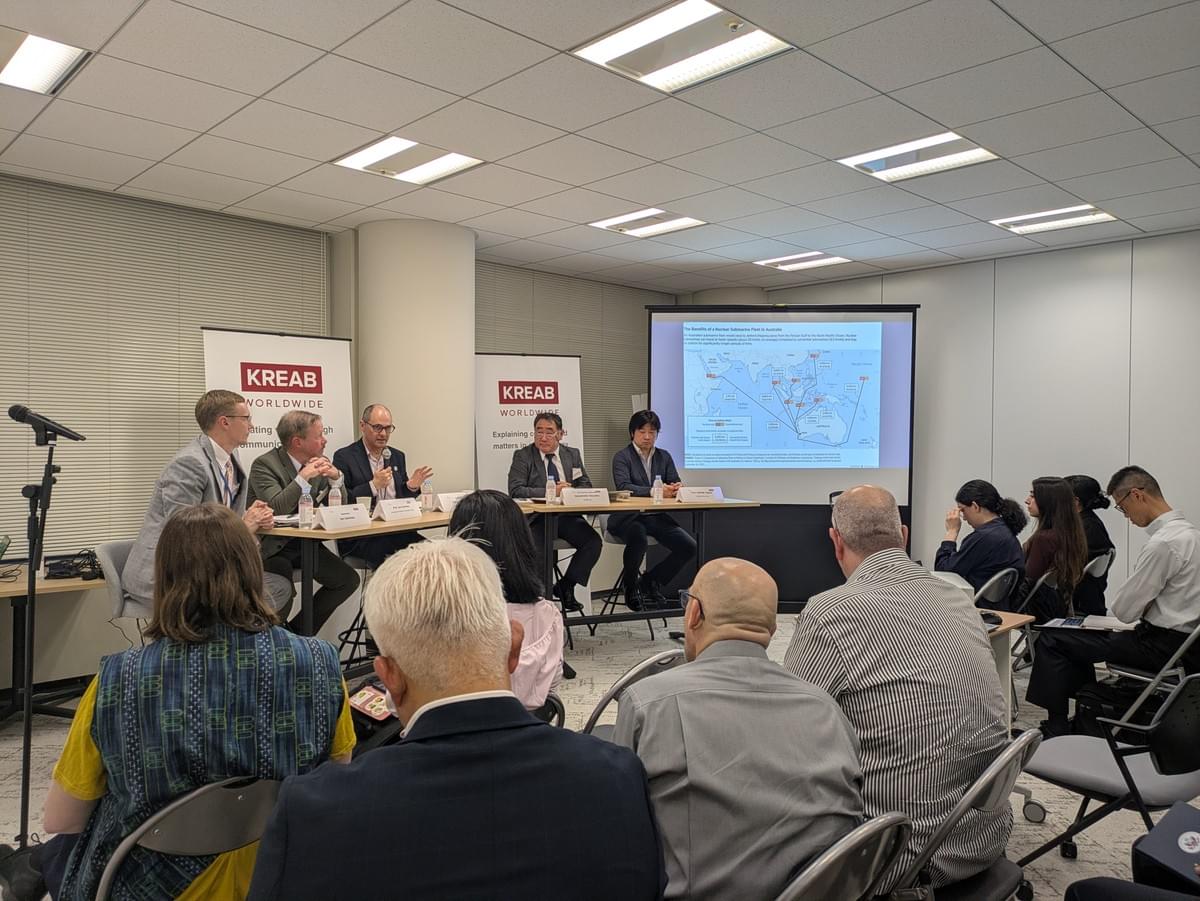
Captain Josh Wilkinson, Australian Defense Attache in Tokyo and Royal Australian Navy submarine officer, offered the real-world experience of Australia. Australia depends on distant sea lines and must defend itself at depth. These considerations are among those that make the stealth, speed, and range of nuclear-powered submarines a compelling advantage. He also listed increased power capacity as a significant advantage for SSN. Citing numbers of dollars and people invested in AUKUS, Josh acknowledged the costs of the program.
Vice Admiral (retired) Takashima Tatsuhiko of Kobelco, a former commander of the Japanese Submarine Force, brought deep experience in the development and operation of Japanese submarines. Takashima argued that Japanese boats have been developed into highly-specialized tools for Japanese defense. From the beginning, unlike other areas of the Self-Defense Force, the submarine force was designed to and trained to defend Japan against modern and powerful naval threats in an aggressive manner. He discussed that the program would be better off as an allied forces posture, and the Japanese SSNs will not justify the expected cost considering the strategic environment of Japan. However, if an adversary is not rightly aware of the extent of current Japanese capability, then the current force does not fully serve a deterrent effect. In this sense, nuclear-powered submarines could increase an adversary's awareness of Japanese deterrent capability.
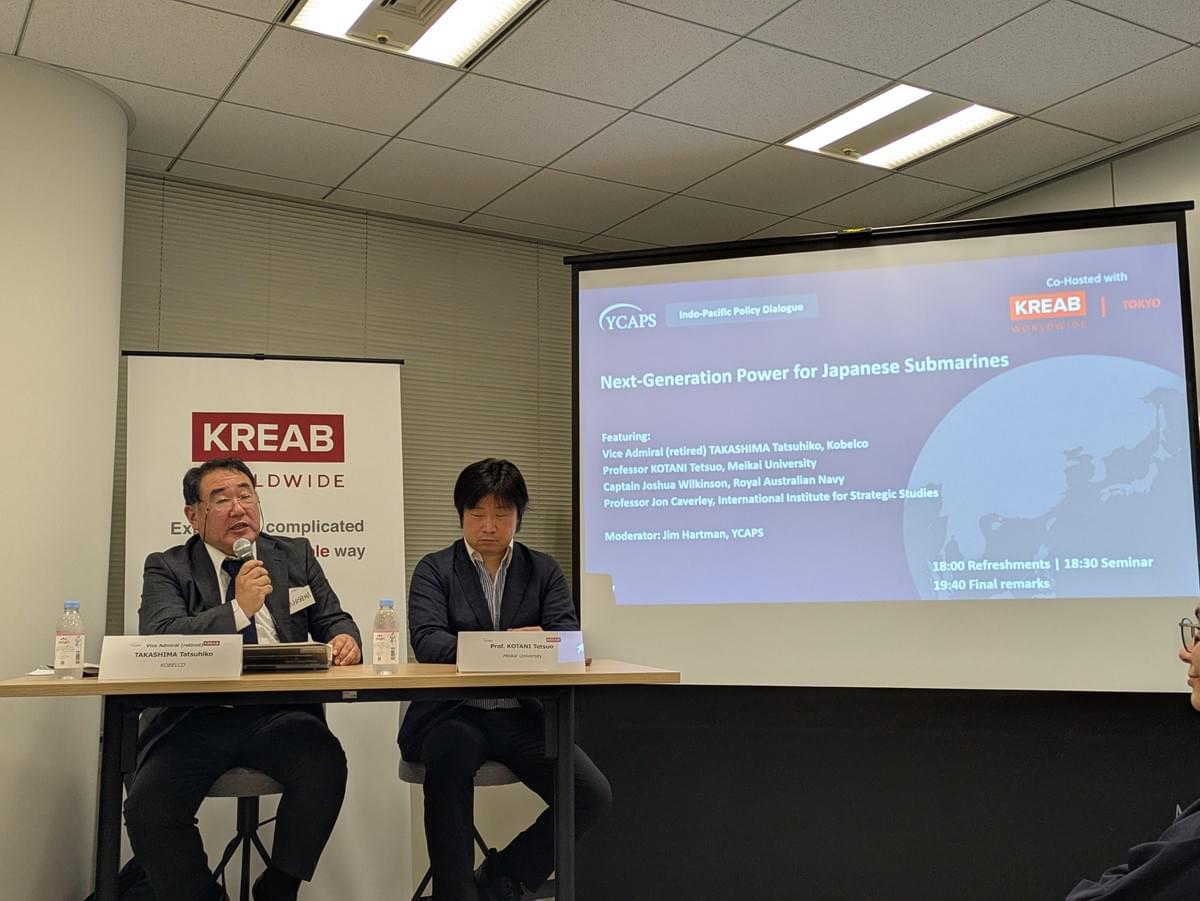
Meikai University Professor Kotani Tetsuo brought together these considerations by noting the need for political objectives to be married to practical military requirements. He referenced the development of Japanese maritime strategy, arguing that major new developments such as next-generation powered submarines must be grounded in solid strategy to be successful. Kotani called for a more public debate.
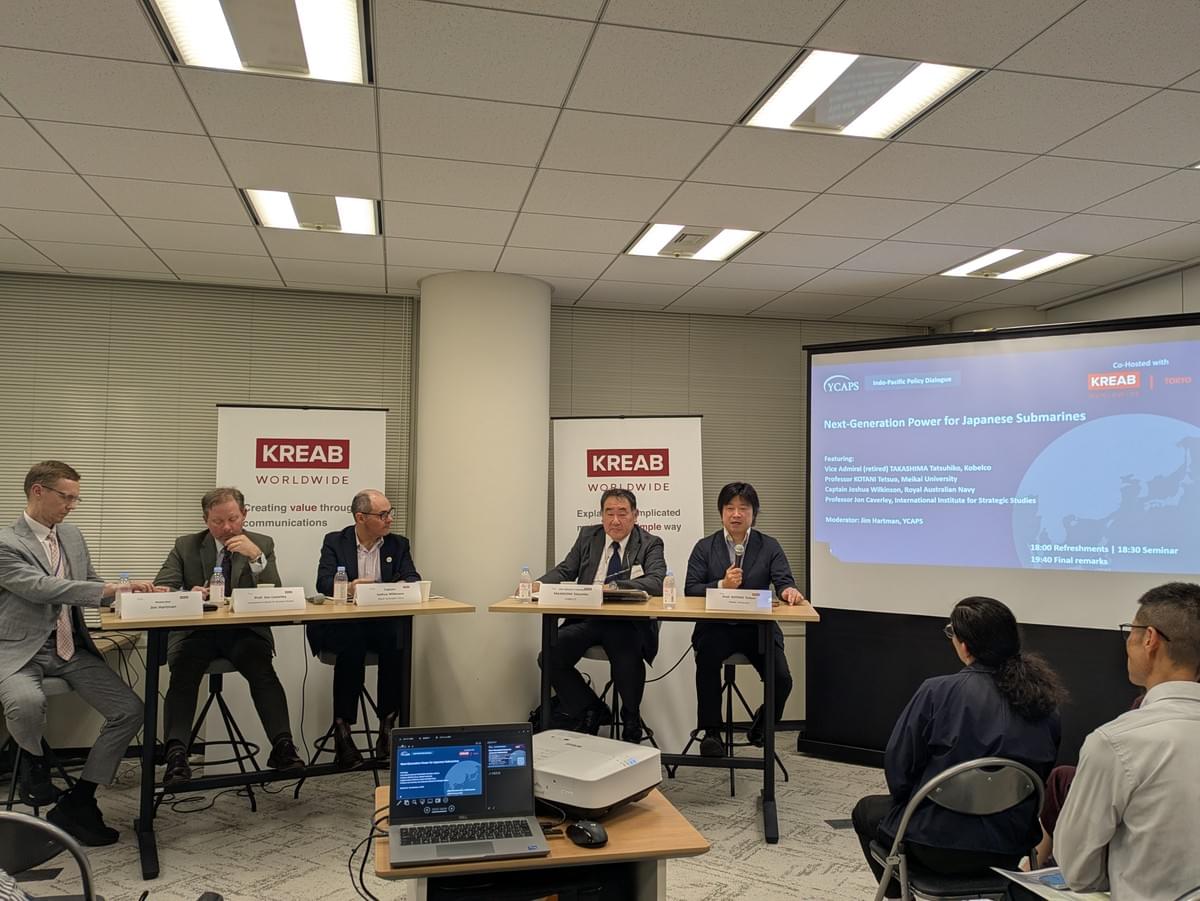
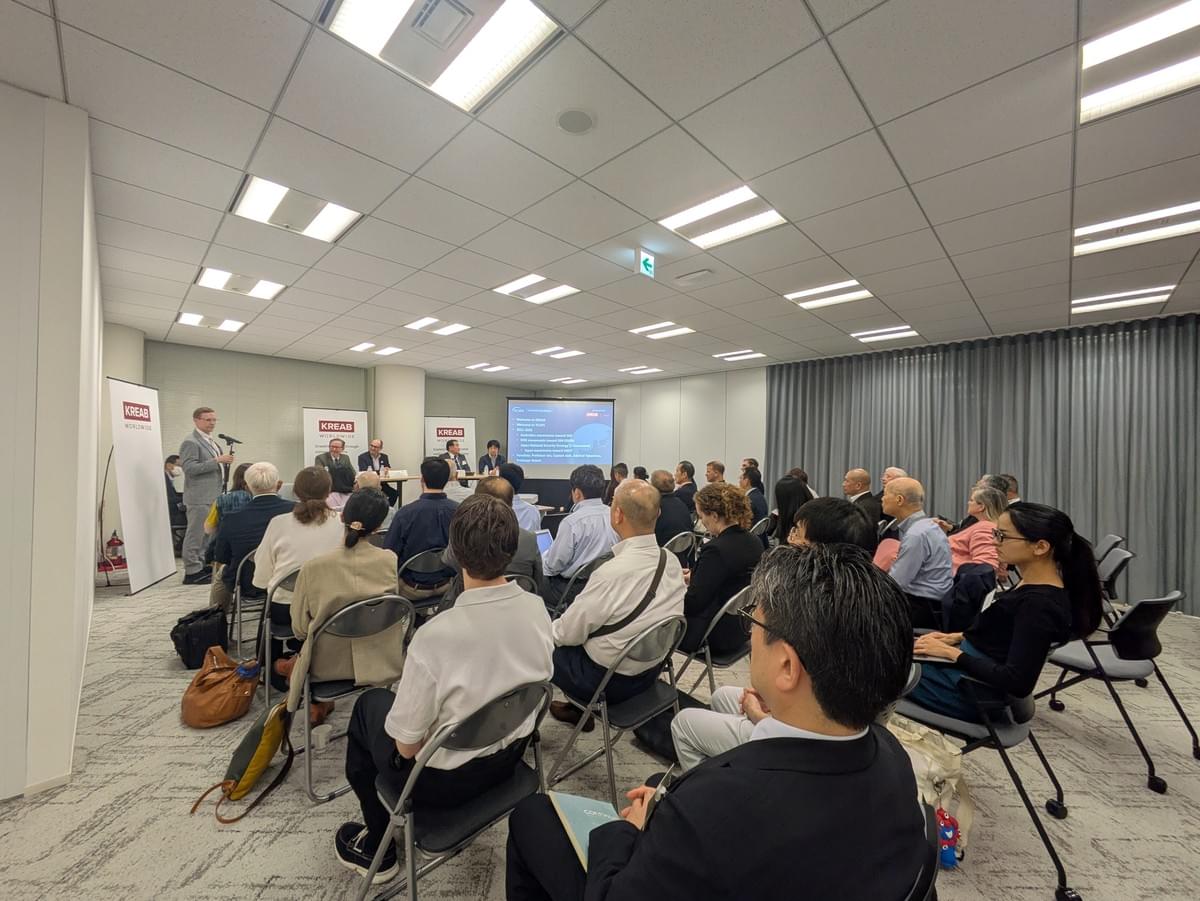
The seminar then opened for questions from the audience. The discussion included topics such as differences between French and US nuclear powered submarine technology, how Japan's submarine fleet complements and coordinates with the U.S. fleet, the role of unmanned underwater vehicles in various submarine missions, legal and human resource barriers to accelerating boat construction, and how future technologies such as quantum sensing that could eliminate submarine stealth might affect the utility and missions of submarines.
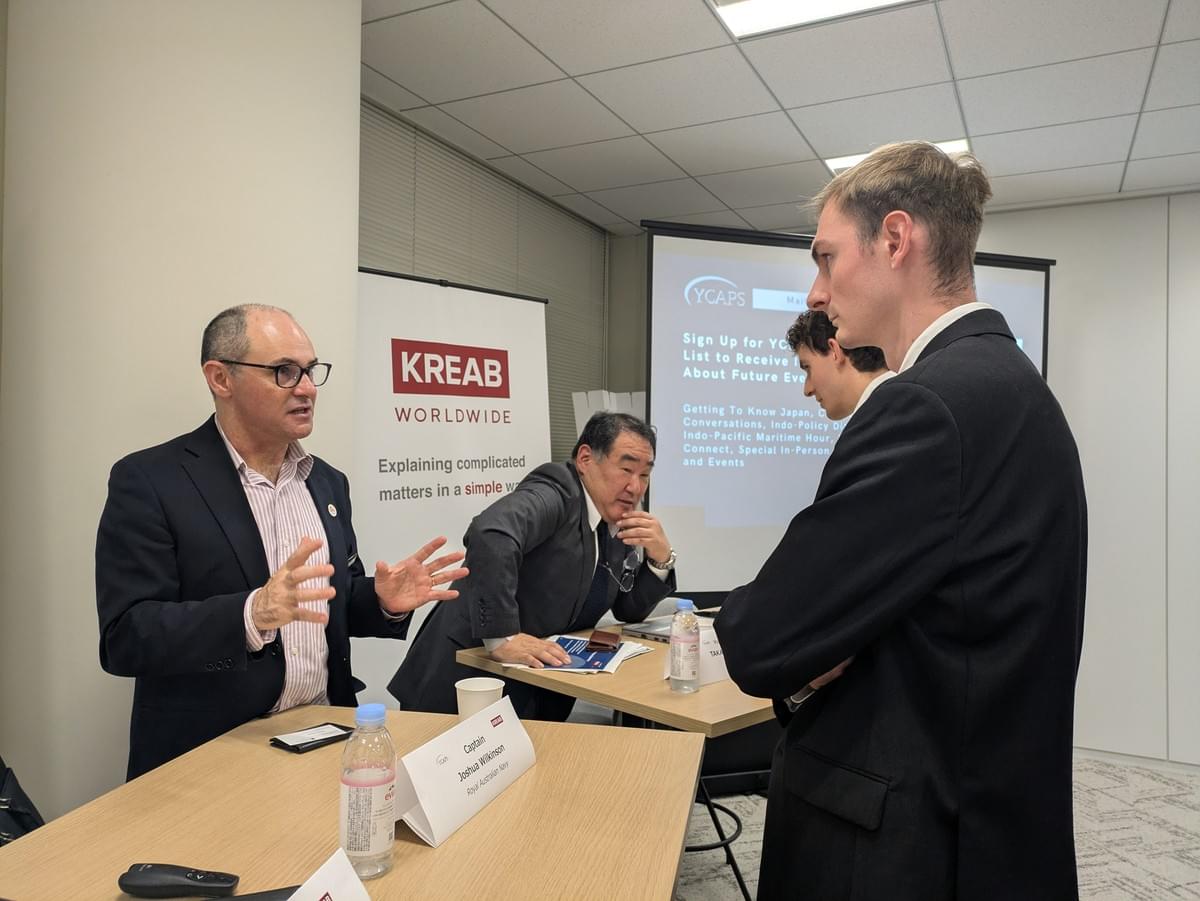
The depth of expertise across the panelists along with perceptive Q&A by an engaged audience supported learning and discussion among the attendees on this emerging topic.